Why Oil & Gas Production Facilities choose HVTS® for CO₂ corrosion prevention and control
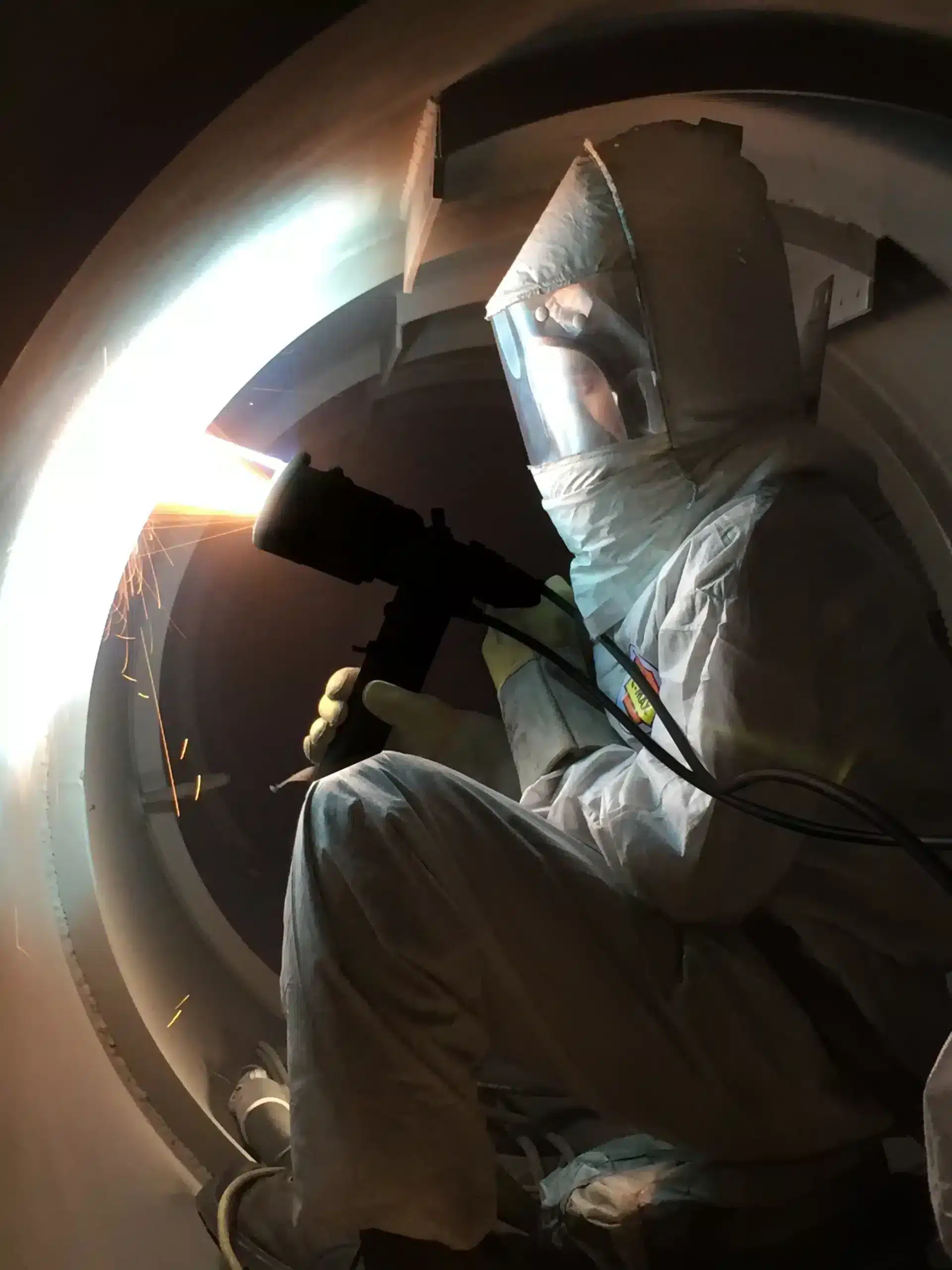
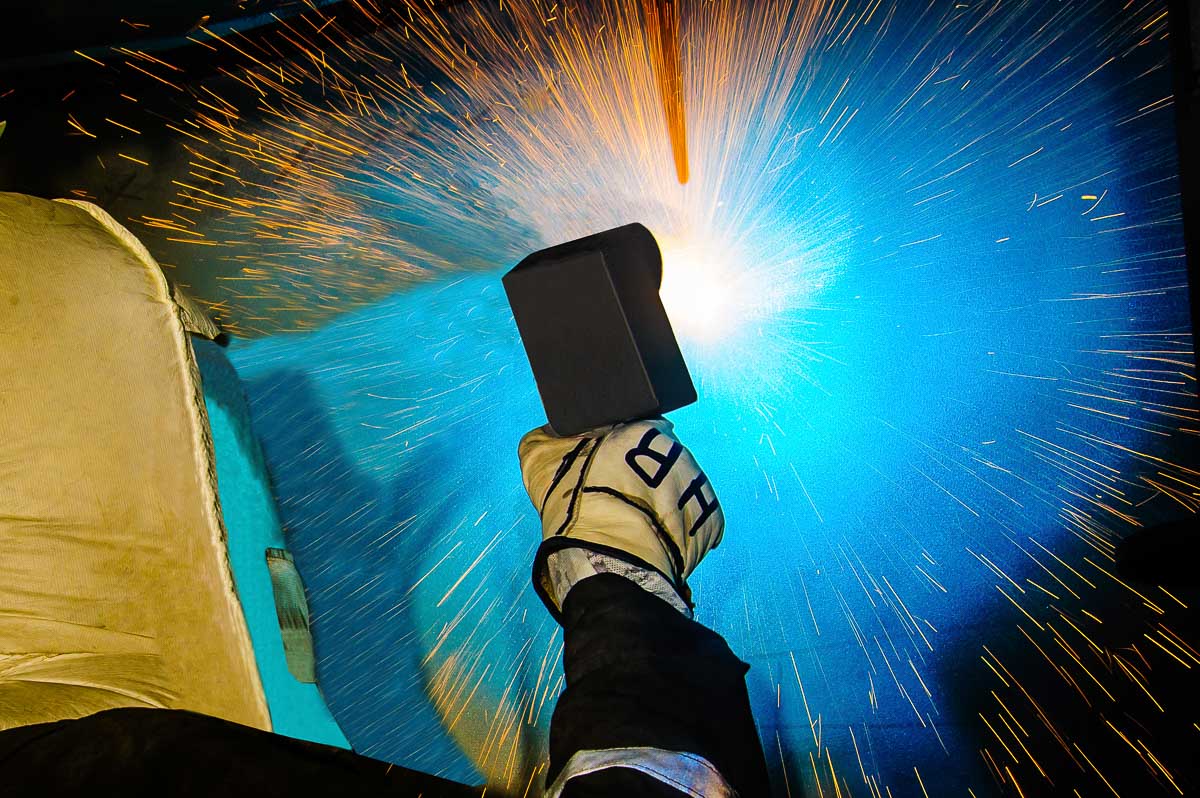
IGS delivers specialized on-site corrosion protection through its proprietary HVTS® cladding technology, featuring engineered NiCrMo alloys specifically designed to combat erosion and corrosion in demanding process environments. IGS global teams deploy this advanced cladding solution during planned maintenance turnarounds at refineries and chemical plants worldwide, providing superior protection against aggressive process stream conditions.
IGS Expertise and Global Presence
With over 40 years of specialized experience in corrosion protection and more than 500 annual projects in the energy sector, IGS has established itself as the leading provider of surface protection solutions for processing operations. Our global network spans 30 countries across 6 continents, with strategically positioned operational hubs that ensure rapid response and consistent service delivery for critical corrosion challenges.
HVTS is proven to protect against CO₂ corrosion, high-temperature sulfidation, and impurities in the CO₂ stream, such as water, SOx, NOx, and O2. Through these capabilities, IGS has become the trusted partner for the world’s leading oil and gas companies seeking to extend equipment life and maintain operational integrity.
Conclusion
Effective management of CO₂ corrosion requires a multi-faceted approach combining material selection, surface protection, and operational controls. By implementing comprehensive prevention strategies and maintaining monitoring programs, facilities can significantly reduce the impact of sweet corrosion on their operations. The investment in proper corrosion prevention and control measures ultimately leads to improved facility reliability, reduced maintenance costs, and enhanced safety performance.
Common corrosion issues in oil and gas production:
- Uniform corrosion – The most common type of corrosion, where metal uniformly loses material
- Pitting corrosion – Localized corrosion that creates small ‘pits’ in the metal
- Crevice corrosion – Occurs in confined spaces where a stagnant solution gathers
- Galvanic corrosion – Occurs when two dissimilar metals are in contact with an electrolyte, such as water or CO₂
- Microbiologically-induced Corrosion (MIC) – Caused by bacterial activities that produce waste products that corrode pipes
While this article focuses on CO₂ corrosion challenges within upstream production environments, related concerns around carbon steel CO₂ corrosion, CO₂ corrosion of carbon steel, and CO₂ corrosion mitigation are also critical in Carbon Capture and Storage (CCS) operations, where high-pressure CO₂ environments require tailored solutions.
Book a Free Technical Evaluation

 Careers