
 Careers
 Offshore Maintenance Services
Advanced solutions for offshore vessel corrosion and heat exchanger fouling.
Asset integrity and process efficiency are mission-critical in offshore operations. Internal corrosion in pressure vessels and severe fouling in heat exchangers can reduce throughput, extend critical paths, and extend turnaround schedules. Traditional fixes can be slow, complex, and often impractical offshore.
Integrated Global Services (IGS) delivers highly engineered, on-site solutions that extend asset life and restore performance more quickly and predictably than legacy methods.
Where We Help Offshore
- FPSOs/FSOs and fixed platforms
- Separators, treaters, columns, and pressure vessels
- Shell-and-tube exchangers (including twisted tubes)
- Turnarounds, unplanned outages
Reliability Challenges for Offshore Operations
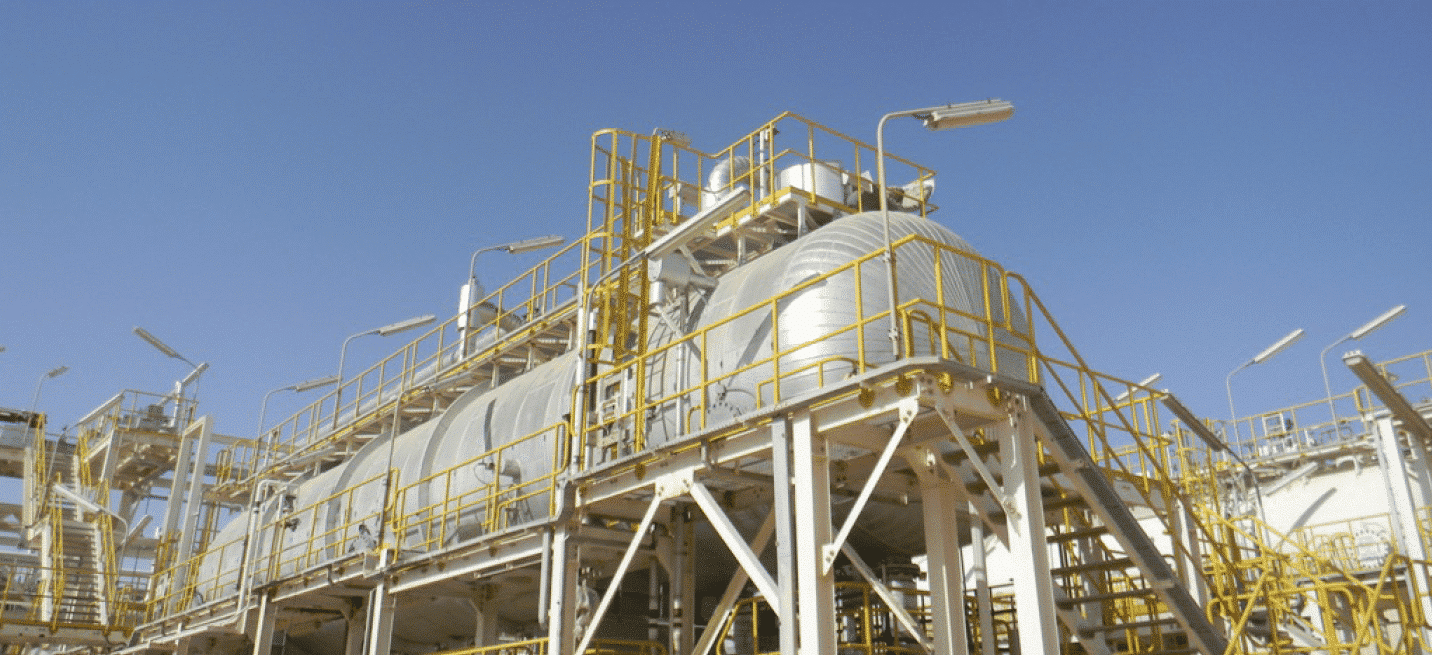
Challenge 1. Pressure Vessel Corrosion (Internal)
Corrosive species in the process stream degrade vessels, separators, and columns via:
- Sour Service Corrosion (H₂S + water)
Uniform loss, pitting, risk of sulfide stress cracking (SSC).
- Sweet Corrosion (CO₂ + water)
Carbonic acid drives localized pitting/mesa corrosion, rapidly thinning walls.
- High-Temperature Sulfidic Corrosion
Sulfur compounds react with steel; rate depends on temperature and alloy.
Why Traditional Repairs Fail Offshore
Conventional repair options each carry significant drawbacks. Full vessel replacement is not only prohibitively expensive but often logistically impossible offshore. Weld Metal Overlay (WMO) adds further complexity, as its high heat input creates a heat-affected zone that risks distortion and stress cracking while adding weeks to the critical path. Organic coatings provide only temporary protection and are prone to blistering, chemical attack, and disbondment under high pressure, high temperature, or cycling conditions, often accelerating under-film corrosion rather than preventing it.
Solution 1. HVTS® Cladding – Permanent Internal Corrosion Barrier
High Velocity Thermal Spray (HVTS) applies a high-nobility corrosion-resistant alloy (CRA) to internal vessel surfaces, creating a dense, impermeable barrier mechanically bonded to the substrate.
HVTS® Benefits At-a-Glance
- Installed in days, not weeks
Rapid in-situ deployment (robotic/manual) keeps HVTS off the critical path.
- No HAZ, no distortion
Solid-state process with negligible heat input preserves parent metal properties. No PWHT, fewer emergent repairs, more predictable restarts.
- Proven barrier performance
Dense microstructure and high bond strength isolate carbon steel from sour/sweet service.
Cost – Avoid CapEx. Control OpEx.
By extending the life of existing vessels, HVTS allows operators to defer costly replacement or weld overlay programs. Its performance is stable and reliable, with no blistering or disbondment cycles typical of organic coatings, meaning fewer unplanned repair scopes. Tailored CRA alloys such as Inconel® 625 or Hastelloy® can be matched to the specific chemistry, temperature, and pressure of the service environment, ensuring performance by design, not by chance.
Safety – Lower heat, lower risk.
HVTS minimizes hot-work exposure thanks to its solid-state application, which simplifies offshore permitting and reduces overall safety risks. Fast, targeted execution, whether robotic or manual, also reduces confined-space time, limiting personnel exposure during operations
Comparison Table of Corrosion Barrier Technologies (HVTS & WOL)
| Feature | High-Velocity Thermal Spray (HVTS) | Weld Overlay (WOL) |
|---|---|---|
| Corrosion Resistance | Yes | Yes |
| Erosion Resistance | Yes | Medium (depending on alloy) |
| Typical Alloys Utilized | Modified 625, C-276, Monel | 316, 625, 622, 52, Monel, Hastelloy |
| Bond Type | Micro-mechanical interlocking (MMI) | Metallurgical/chemical |
| Typical Thickness | ~20 mils | 5–7 mm (≈200–275 mils) |
| PWHT Requirement | No | Sometimes required |
| Dilution into Base Metal | No | Yes |
| Heat-Affected Zone (HAZ) | None | Yes |
| Stress/Distortion | None | Possible on thin components |
| Application Speed | Medium-Fast | Slow |
| Repairability | Localized, simple | Complex (grind and reweld) |
| Thermal Resistance | >932°F / >500°C | >932°F / >500°C |
| Curing Requirements | None | None |
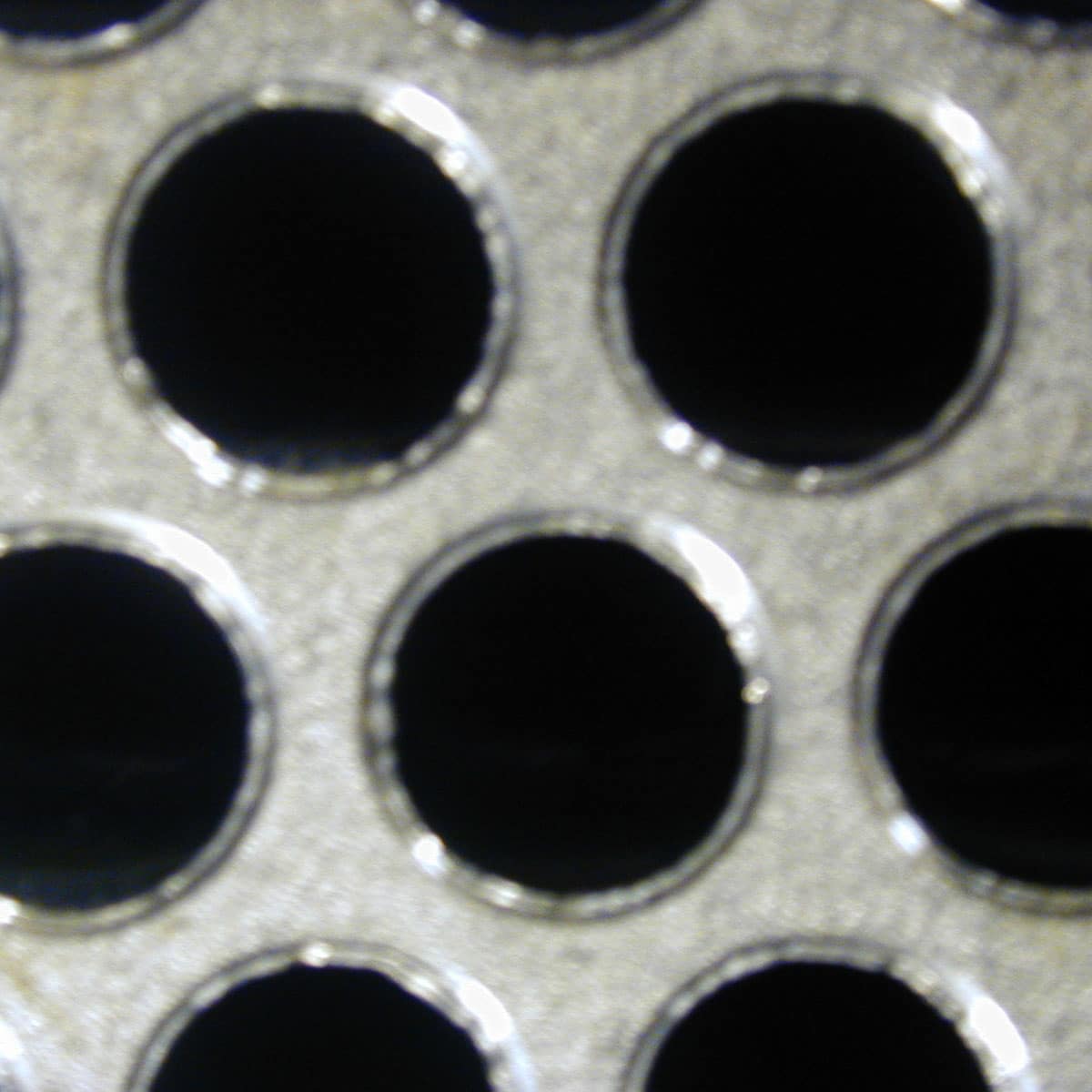
Challenge 2. Heat Exchanger Fouling (Shell & Tube)
Fouling reduces the heat-transfer coefficient, resulting in lower throughput, higher ΔP, and increased energy consumption.
Common severe foulants:
- Coke/Carbonaceous Deposits
Hard, insulating layers in high-temp hydrocarbon service.
- Polymer & Asphaltenes
Sticky, tenacious deposits that reduce flow and block heat transfer.
- Process-Side Scale
Inorganic salts (e.g., CaCO₃, FeS) forming hard, brittle layers.
The Limits of Conventional Cleaning
Traditional cleaning methods often fall short offshore. Hydro-jetting is limited to line-of-sight access, making it ineffective on hard or blocked tubes, and it can even risk eroding internals. Chemical cleaning introduces its own challenges, with material-compatibility concerns, complex offshore logistics, and inconsistent deposit removal that leaves performance issues unresolved.
Solution 2. TubeTech™ – Guaranteed Heat Exchanger De-Fouling
The IGS TubeTech division delivers over 90% fouling removal (guaranteed), restoring thermal efficiency and flow capacity to near-design levels, even against coke and polymers.
TubeTech™ Benefits At-a-Glance
-
Maximize Uptime & Performance
Robotic 360° cleaning removes over 90% of fouling, restoring thermal efficiency and flow capacity to near-design levels. That means optimal throughput without over-firing and reduced pressure drop. -
Lower Costs & Energy Use
Clean surfaces mean lower duty to hit targets, fewer mid-run cleans, and extended run lengths, cutting both fuel consumption and outage frequency. -
Reliable, Verified Results
Post-clean inspection reports (video and tube maps) provide proof before startup, eliminating guesswork, de-risking commissioning, and avoiding “open-and-find” surprises. -
Access & Execution
Specialized cleaning heads navigate each tube for consistent 360° coverage, removing coke, polymers, and hard scale where hydro-jetting falls short. -
Rapid Global Response
With strategic bases and dedicated offshore teams, we mobilize quickly to minimize downtime and keep your assets online.

Frequently Asked Questions
How is HVTS different from a coating?
HVTS is a CRA cladding – a dense, mechanically bonded barrier with negligible heat input, not an organic film prone to blistering or disbondment.
Will TubeTech work on coke and polymer fouling?
Yes. The robotic/mechanical approach targets hard, tenacious deposits and fully blocked tubes that hydro-jetting often can’t touch.
How quickly can you mobilize offshore?
We maintain global rapid-response capability. Scope and access define exact timelines; our model is built to minimize downtime for exchangers or vessels.
Contact our technical team about your corrosion and fouling challenges and discover how IGS can reduce your next turnaround while enhancing long-term reliability.


FPSO Maintenance Solutions for Uptime, Integrity and Efficiency
FPSOs operate in one of the world’s most demanding environments, combining refinery processing with harsh offshore conditions. Limited space, restricted access and the high cost of downtime demand maintenance solutions that maximize reliability while minimizing disruption.
IGS helps FPSO operators protect critical equipment, restore damaged assets and improve thermal performance with offshore-proven solutions for process vessels, fired heaters, heat exchangers and SCR systems.
Our integrated FPSO maintenance solutions help operators:
- Repair damaged assets with automated welding and weld overlay
- Protect against future corrosion using HVTS® metallurgical cladding
- Restore thermal performance with advanced fired heater and heat transfer solutions
- Reduce fuel consumption and emissions
- Support SCR reliability and NOx compliance
- Minimize disruption during turnarounds and operating campaigns
Where IGS helps on an FPSO
IGS supports critical equipment across the FPSO, from process vessels and fired heaters to SCR systems and heat transfer assets.

Process vessels,
columns and towers
HVTS® metallurgical cladding and automated weld overlay help restore integrity, repair wall loss and protect internal surfaces from aggressive process conditions.

Fired heaters and
heat transfer equipment
Cetek® ceramic coatings, TubeTech™ cleaning technologies and Hot-tek® online repair services help restore heat transfer, reduce efficiency losses and improve heater reliability.

SCR systems
LPA screens, fine particle screens and automated air cannons help protect catalyst performance, reduce plugging and maintain airflow through SCR systems.
Why FPSO Operators Choose IGS
- Repair below t-min Long-term corrosion protection Restore heat transfer
- Reduce turnaround
- duration Offshore-proven execution Improve efficiency & emissions

FPSO process vessel repair and corrosion protection
FPSO process vessels operate in highly corrosive, erosive, and high-temperature environments where replacement is often impractical offshore. IGS provides metallurgical repair and corrosion protection solutions that restore integrity and extend asset life.
HVTS® Metallurgical Cladding
HVTS® (High Velocity Thermal Spray) applies corrosion-resistant alloys to carbon steel, creating a dense metallurgical barrier for long-term protection in aggressive process environments. Unlike conventional coatings, HVTS provides long-term corrosion resistance without curing times or post-weld heat treatment.
Why HVTS for FPSOs?
- No post-weld heat treatment (PWHT)
- No curing or extended drying periods
- Suitable for offshore environmental conditions
- Immediate return to service following application
- Long-term corrosion protection
- Reduced turnaround duration
- Extended equipment service life
Typical Applications
- High-pressure separators
- Slug catchers
- Deaerator towers
- Amine vessels
- Sour water strippers
- Pressure vessels
- Columns and towers
Restore integrity with automated welding and weld overlay
Not every damaged area can be protected with HVTS alone. Where corrosion or erosion has reduced wall thickness below t-min, structural integrity must first be restored. Automated welding rebuilds lost material before HVTS is applied for long-term corrosion protection.
These solutions are also used on small-bore nozzles, flange faces, vessel penetrations and other geometries where thermal spray may not be the most effective option.
Together, automated welding and HVTS provide a complete repair and protection strategy: first restoring asset integrity, then protecting the repaired area from future degradation.
Typical Applications
- Restoration of components below t-min
- Small-bore nozzles
- Vessel penetrations
- Flange connections
- Localised corrosion or erosion damage
- Weld restoration
- Corrosion-resistant alloy (CRA) weld overlay
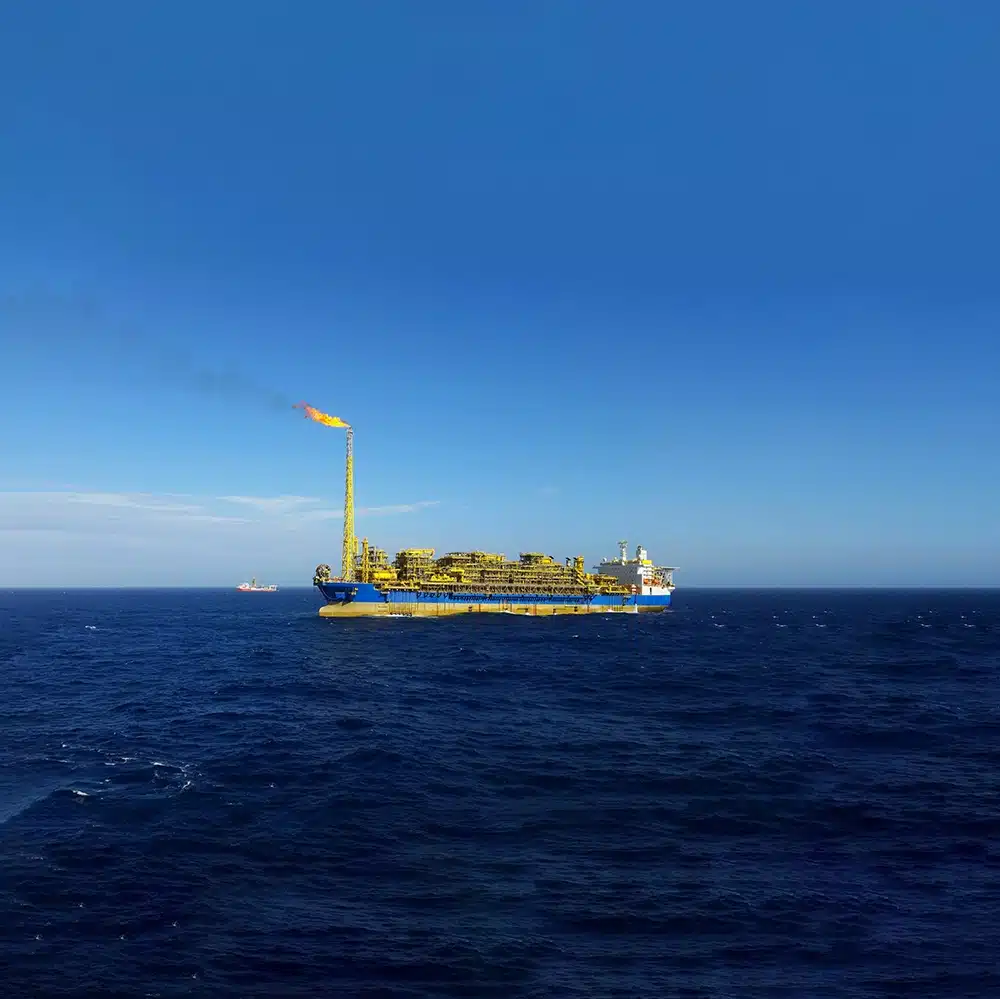
Proven offshore performance: Guyana FPSO
On an offshore FPSO in Guyana, IGS restored a deaerator tower using structural repairs and HVTS metallurgical cladding. The project helped restore asset integrity, extend equipment service life and avoid replacement.
Project highlights
- 332 m² of HVTS installed
- 100 m² of structural repair completed
- Production plate laboratory validation
- Asset integrity restored
- Service life significantly extended
FPSO fired heater efficiency and heat transfer restoration
Efficient heat transfer is essential for FPSO performance. Fouling, oxidation, and refractory degradation reduce thermal efficiency, increase fuel consumption, and can ultimately impact production.
IGS provides a range of proven technologies to restore heat transfer, improve energy efficiency and maximize equipment reliability.
Improve fired heater efficiency with Cetek® ceramic coatings
Applied to fired heater refractory and process tubes, Cetek ceramic coatings improve radiant heat transfer while protecting tube surfaces from oxidation. The result is improved thermal efficiency, lower fuel consumption, and enhanced long-term heater performance.
Benefits

Increased radiant heat transfer and thermal efficiency

Reduced fuel consumption

Lower CO2 and NOx emissions

Reduced process tube oxidation and scale formation

Improved heat absorption by process tubes

Increased heater throughput without major modifications

Extended process tube service life
Restore heat transfer with TubeTech™ technologies
TubeTech technologies restore thermal performance across both fired heaters and process heat exchangers, helping operators recover efficiency while reducing maintenance time.
Convection Section Cleaning
Remotely operated systems remove deep fouling from fired heater convection sections, restoring heat transfer without extensive manual intervention.
Heat Exchanger Cleaning
Mechanical cleaning technologies remove hard deposits from heat exchanger tubes, restoring flow, thermal performance and exchanger efficiency.
Benefits

Restores heat transfer efficiency

Reduces stack temperatures and energy losses
Improves process throughput

Reduces pressure drop across heat exchangers

Shortens maintenance schedules

Minimizes confined space work and offshore scaffolding
Hot-tek® Online Heater Repairs
Hot-tek inspects and repairs damaged refractory and stabilizes heater internals while the unit remains in operation, helping avoid unplanned shutdowns and extend operating campaigns.
Benefits

Online refractory repairs

Reduced risk of emergency shutdowns

Extended operating campaigns

Improved asset reliability
SCR catalyst protection and NOx compliance for FPSOs
SCR systems control NOx emissions from FPSO gas turbines and boilers. Keeping catalyst beds free of ash and debris maintains emissions compliance while minimising turbine backpressure.
SCR Protection Solutions
LPA & Fine Particle Screens
Engineered screens capture ash and debris before they reach the catalyst, preventing plugging and excessive turbine backpressure.
Automated Air Cannons
Timed bursts of compressed air continuously remove accumulated debris from screen surfaces, reducing manual cleaning requirements and maintaining airflow through the SCR.
Benefits
Protect catalyst performance

Reduce exhaust backpressure

Lower maintenance requirements
Support emissions compliance

Improve turbine reliability
One Partner. Complete FPSO Asset Support.
Whether the objective is repairing damaged equipment, protecting assets from future corrosion or restoring thermal efficiency, IGS delivers integrated maintenance solutions across the FPSO.
Talk to Our FPSO Specialists
Whether you are planning a turnaround, extending asset life or addressing an urgent integrity issue, IGS can help you identify the right repair, protection or performance solution for your FPSO.
Speak with an FPSO specialist to discuss your equipment, operating conditions and maintenance objectives.