
 Careers
 Waste-to-Energy Boiler Corrosion Protection and Life Extension
Waste-to-energy (WtE) boilers operate in some of the most aggressive environments in power generation. High temperatures, chlorine-rich combustion gases, and variable waste composition create conditions that accelerate fireside corrosion, erosion, and tube degradation.Without effective protection, boiler tubes can rapidly lose wall thickness, leading to unexpected leaks, reduced efficiency, and unplanned outages. IGS provides on-site WTE boiler tube corrosion protection and life extension solutions, combining:
- High Velocity Thermal Spray (HVTS)
- Weld Overlay (Inconel 625 and other corrosion-resistant alloys)
These technologies are applied during outages to restore, protect, and extend the life of boiler pressure parts in grate-fired waste-to-energy and biomass units.
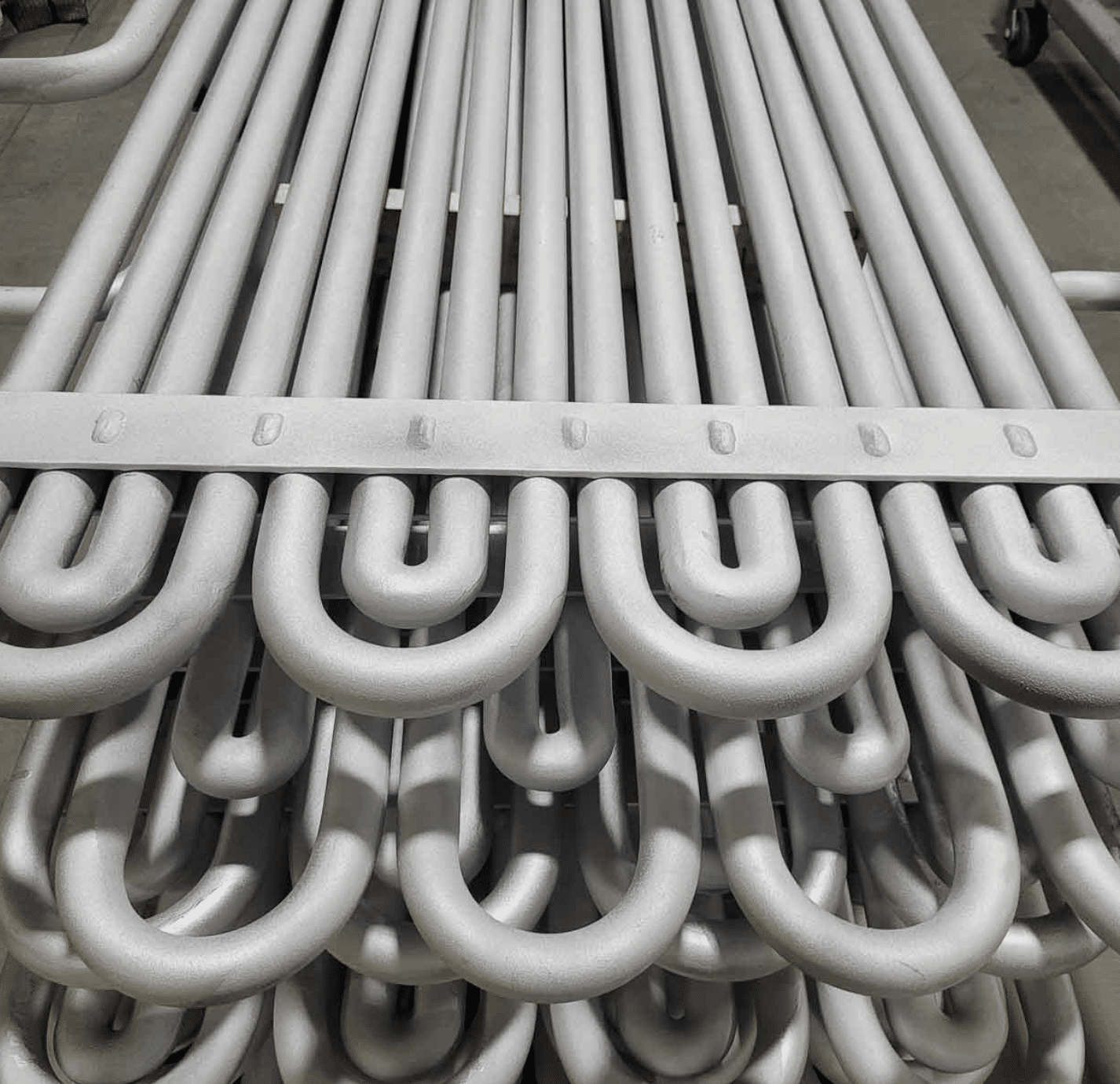
Chlorine-Induced High-Temperature Corrosion in Waste-to-Energy Boilers
Waste introduces chlorine from materials such as PVC. During combustion:
- Chlorine forms HCl and reacts with metals (Zn, Pb, Na, K)
- Low-melting chlorides form and deposit on tubes
- These deposits break down protective oxide layers and accelerate metal loss.
This mechanism is especially severe in:
- First pass, second pass and upper furnace areas
- Superheaters
Common Failure Mechanisms in WtE Boilers
Across global WtE operations, the most frequent issues include:
- Boiler tube wall thinning
- Pitting corrosion in high-temperature zones
- Fireside corrosion under deposits
- Erosion-corrosion in convection passes
- Premature failure of unprotected carbon steel tubes
In many cases, degradation is not detected early enough. As seen in field experience, delayed inspection can result in:
- Tubes becoming too thin for repair
- Increased scope during outages
- Full panel replacement instead of targeted protection
Corrosion Protection Technologies for WtE Boilers
To manage corrosion and extend asset life, operators typically rely on surface protection technologies rather than bulk material replacement.
IGS provides two primary solutions:
High Velocity Thermal Spray (HVTS) for Boiler Protection
High Velocity Thermal Spray (HVTS) is an advanced thermal spray coating process used to apply a dense, corrosion-resistant alloy (CRA) layer onto boiler tubes.
Key Benefits of HVTS:
- No thermal stress and distortion
- Dense low permeability coating structure
- Fast on-site application during short outage
High resistance to:
- Chlorine-induced corrosion
- Oxidation
- Erosion under ash deposits
HVTS is particularly effective for:
- Short outage windows
- Large surface areas requiring rapid coverage
Because the base metal remains at low temperature during application, HVTS introduces no heat-affected zone (HAZ) and avoids metallurgical changes to pressure parts. It can be applied without water cooling and with reduced risk to tube integrity.
Weld Overlay (Inconel 625) for Boiler Tube Protection
Weld overlay is the industry-standard solution for long-term corrosion protection in WtE boilers, especially in high-risk areas. Using automated and controlled welding processes, a metallurgically bonded corrosion-resistant alloy layer (typically Alloy 625) is deposited onto carbon steel tubes.
Key Benefits of Weld Overlay:
- Strong metallurgical bond to base material
- High resistance to high-temperature corrosion
- Proven performance in the first pass
Ability to:
- Restore lost wall thickness
Weld overlay is commonly applied in:
- First pass waterwalls
- High-temperature corrosion zones
Execution quality is critical for both HVTS and weld overlay application. As shown in field practice, poor execution can lead to localised corrosion causing tube leaks and forced outages.

Inspection and Lifecycle Management Strategy
Effective corrosion management in WtE boilers is not a one-time intervention,it requires a proactive lifecycle management approach.
Best practices include:
- Regular shutdown inspections
- Ultrasonic thickness (UT) mapping
- Monitoring of corrosion trends
- Early intervention before base material exposure
A proactive strategy allows operators to:
- Reapply protection before failure
- Reduce lifecycle costs
- Avoid emergency outages
Outage Execution and Field Welding Expertise
Waste-to-energy outages are highly constrained:
- Short timelines
- Confined working environments
- Multiple contractors operating simultaneously
Successful execution depends on:
- Detailed pre-outage planning
- Experienced field teams
- Automated welding and thermal spray systems
- Right-first-time quality to minimize rework
IGS delivers:
- On-site weld overlay and HVTS services
- Rapid deployment for outage support
- Execution in complex and confined boiler environments

WTE Boiler Reliability Case Studies
IGS has delivered corrosion protection and boiler tube life extension across over 500 global WtE and biomass plants, including:
Biomass Power Station Preventing Boiler Tube Failure with HVTS®
In just six days, a total of 168 m² (1,808 ft²) of boiler surfaces were successfully coated, ensuring rapid turnaround and long-term corrosion resistance.
IGS HVTS® Delivers Long-term WtE Boiler Corrosion Protection in Finland
Zero coating failures since the application in2019with no thickness loss detected.
HVTS® Cladding Delivers Biomass Boiler Protection at Vattenfall Plant
BFB boiler corrosion and erosion mitigated since 2020, enhanced lifecycle of existing Inconel-protected panels without requiring complete replacement.
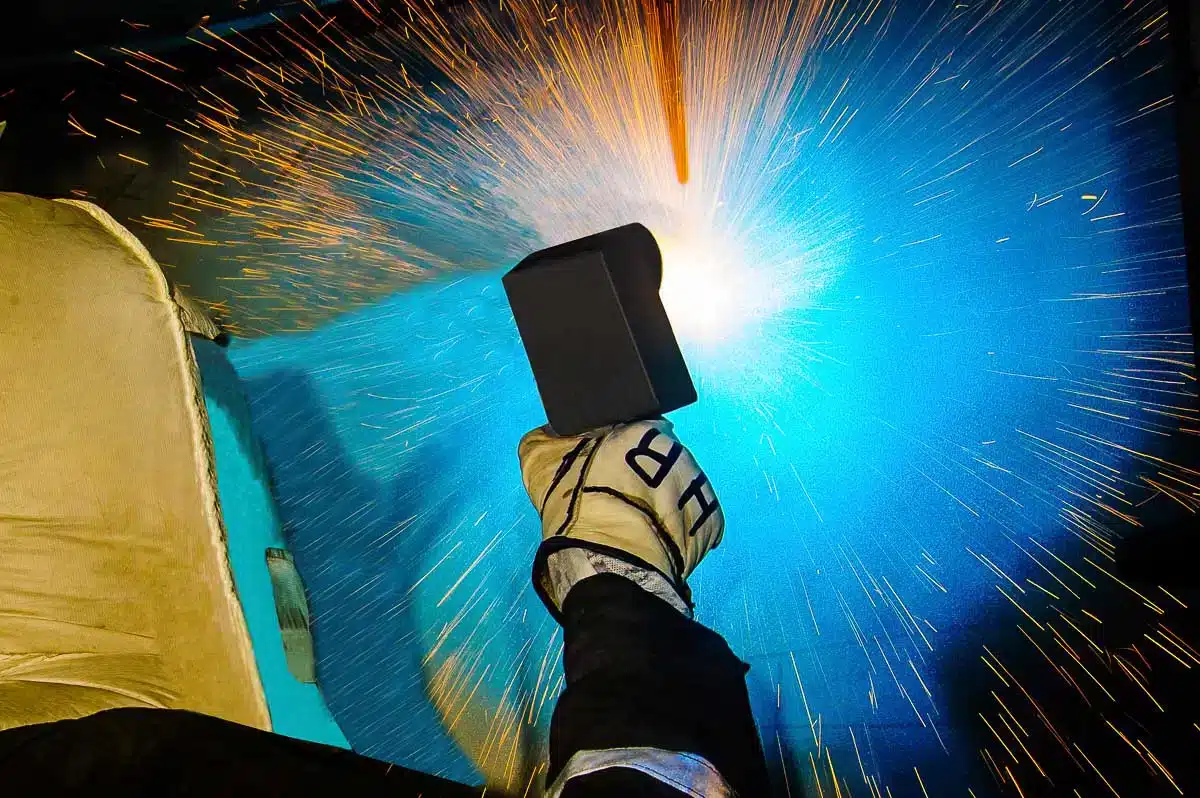
Expert Insight in WtE Boiler Corrosion
Requires both materials science expertise and field experience. Our asset integrity specialists combine:
- Real-world inspection data
- Deep understanding of corrosion mechanisms
- Practical knowledge of outage execution over 500 boiler reliability projects in Europe and globally
Why Choose IGS?
- Proven field execution in complex outage environments
- Experienced welding and thermal spray specialists
- Strong safety and quality culture
- Global delivery capability
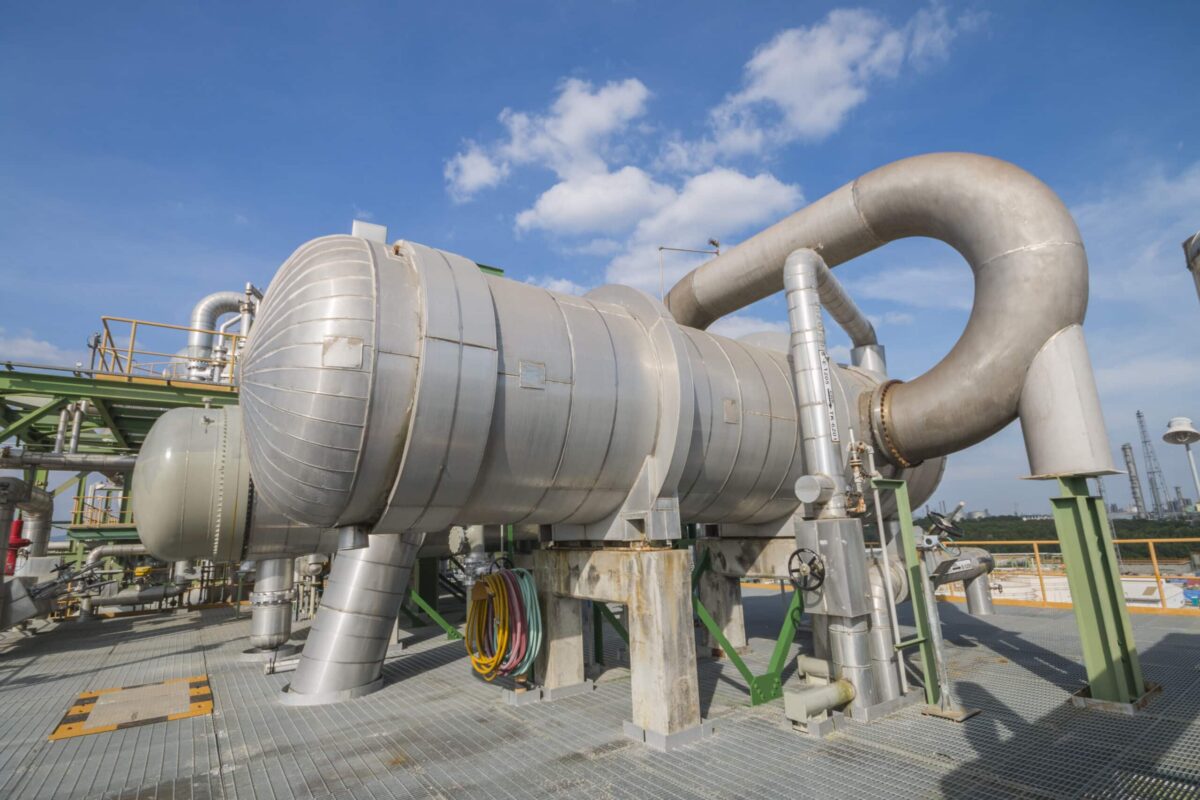
Speak to an Expert or Download Technical Insights
Waste-to-energy boilers require plant-specific corrosion management strategies.Every unit is different and selecting the right protection approach depends on:
- Fuel composition
- Operating conditions
- Boiler design
- Outage constraints