
 Careers
 Convection Section Fouling Removal with Rovex®
Robotic Convection-Section Cleaning to Restore Fired-Heater Efficiency
Address difficult convection-section fouling, restore heat transfer and recover fired-heater performance with Rovex® robotic cleaning.
Rising stack temperature, increased fuel consumption and reduced process output can all indicate fouling within the fired-heater convection section. As deposits accumulate between tube rows and fins, heat transfer declines and the heater must work harder to maintain the required process conditions.
TubeTech’s Rovex® fired heater convection section fouling removal service is a proven turnkey solution which guarantees to remove 90%+ fouling, restoring fired heater performance and reducing CO₂ emissions and fuel consumption.
- 90%+ fouling removed guarantee
- 2-5% increase in thermal efficiency*
- Up to 15% reduction in CO₂ emissions*
- ROI within 2 months
- Average* results reported by TubeTech™ clients

Technical Information
Following an extensive research and development programme, TubeTech™ developed Rovex®: a patented robotic ROV cleaning system used by major petrochemical and refining facilities around the world. On average, clients report a 2–5% increase in thermal efficiency and up to a 15% reduction in CO₂ emissions.
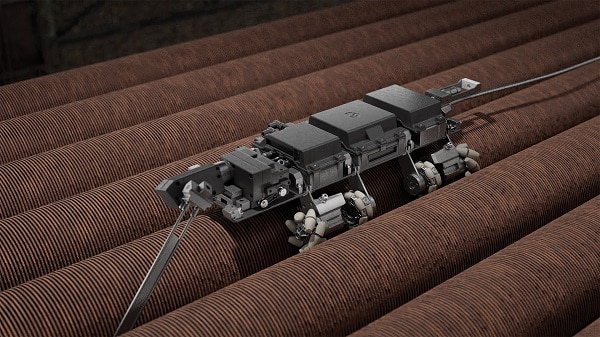
Rovex® can access even the most difficult-to-reach convection banks. The remotely operated vehicle is controlled by an experienced technician, while its engineered lance penetrates deep between tube rows and fins to remove difficult fouling throughout the bundle.

Explore IGS capabilities
Discover how IGS helps operators improve asset performance through engineered solutions for asset integrity, life extension and energy efficiency.
Understanding Convection Section Fouling in Fired Heaters
Below are answers to common questions from fired heater operators and reliability engineers about convection section fouling and heater performance.
Does staying below maximum stack temperature mean our heater is operating efficiently?
Not always.
Operating below Tₘₐₓ confirms safe operation, but it does not guarantee optimal heater performance. Stack temperature alone is only one indicator and can remain stable even as fouling increases elsewhere.
In many cases, performance improvements manifest as:
- Reduced fuel consumption
- Improved heat transfer across coils
- Stabilised process temperatures
- Lower emissions
A fired heater performance evaluation helps identify these gains and quantify losses that are not immediately visible from stack temperature alone.
Is water washing effective for convection section fouling?
Traditional water washing / water jetting can be effective for small heaters or limited tube banks.
For larger or more complex convection sections, access and coverage become limiting factors. Water jetting typically cleans from the top or from restricted entry points, leaving fouling deep between rows untouched.
TubeTech ROV cleaning:
- Reaches every level of the convection section
- Cleans between every tube and fin
- Delivers consistent results across the entire bundle
A key question is longevity; if fouling returns quickly and fuel consumption rises again, the cleaning method may not be fully effective.
Why Consider Rovex® ROV Convection-Section Cleaning Instead of Chemical Cleaning?
Chemical cleaning is commonly used to maintain baseline performance, particularly during turnarounds. However, in convection sections, many deposits are already inert due to prolonged high temperatures.
Chemical cleaning can:
- Create sludge rather than fully remove deposits
- Increase waste handling and disposal complexity
- Gradually weaken refractory bonding agents over time, causing crumbling
TubeTech cleaning uses a controlled, water-based mechanical process that removes fouling from all tubes, rows, and fin spaces, restoring surface area and extending the time between cleaning cycles.
Rovex® Fired-Heater Convection-Section Cleaning Case Studies
Thermal Efficiency Increased by 3% at Turkey Refinery
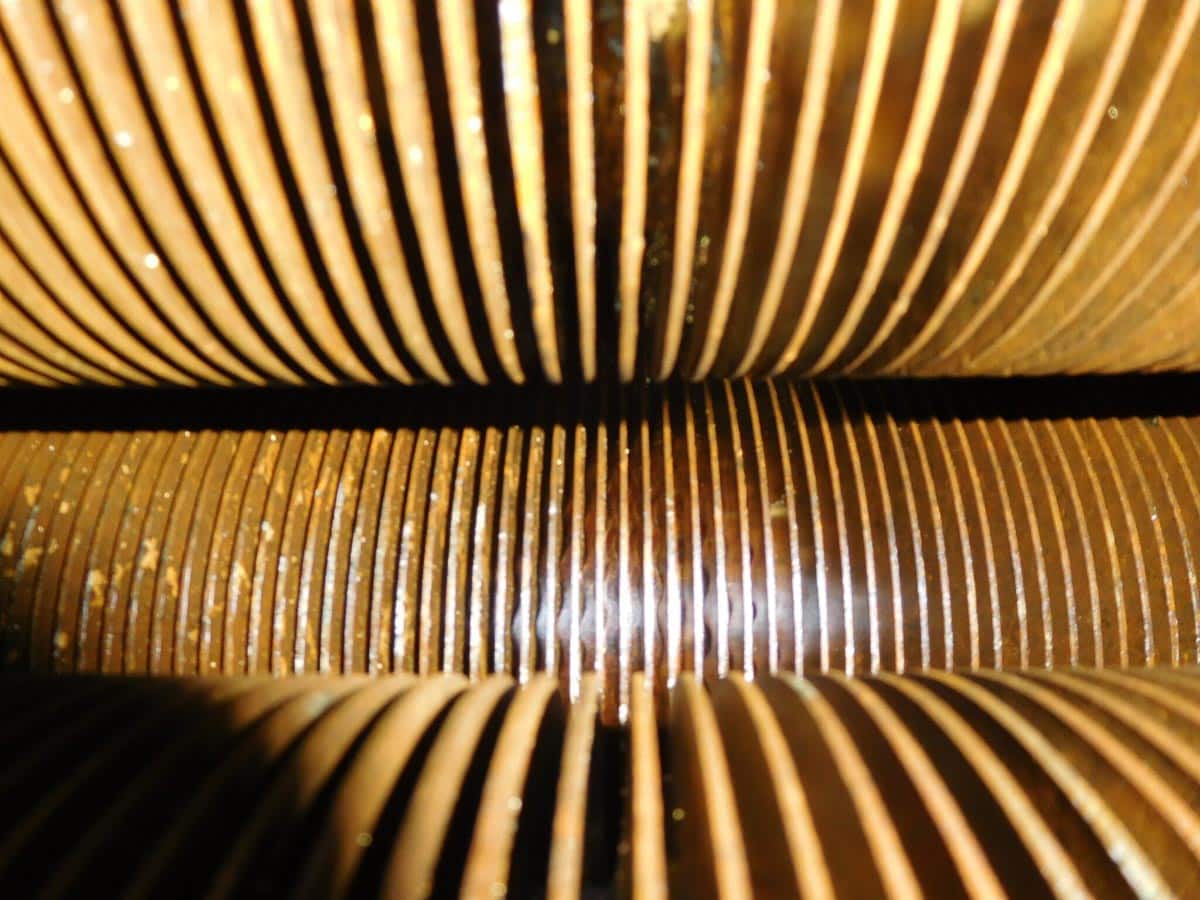
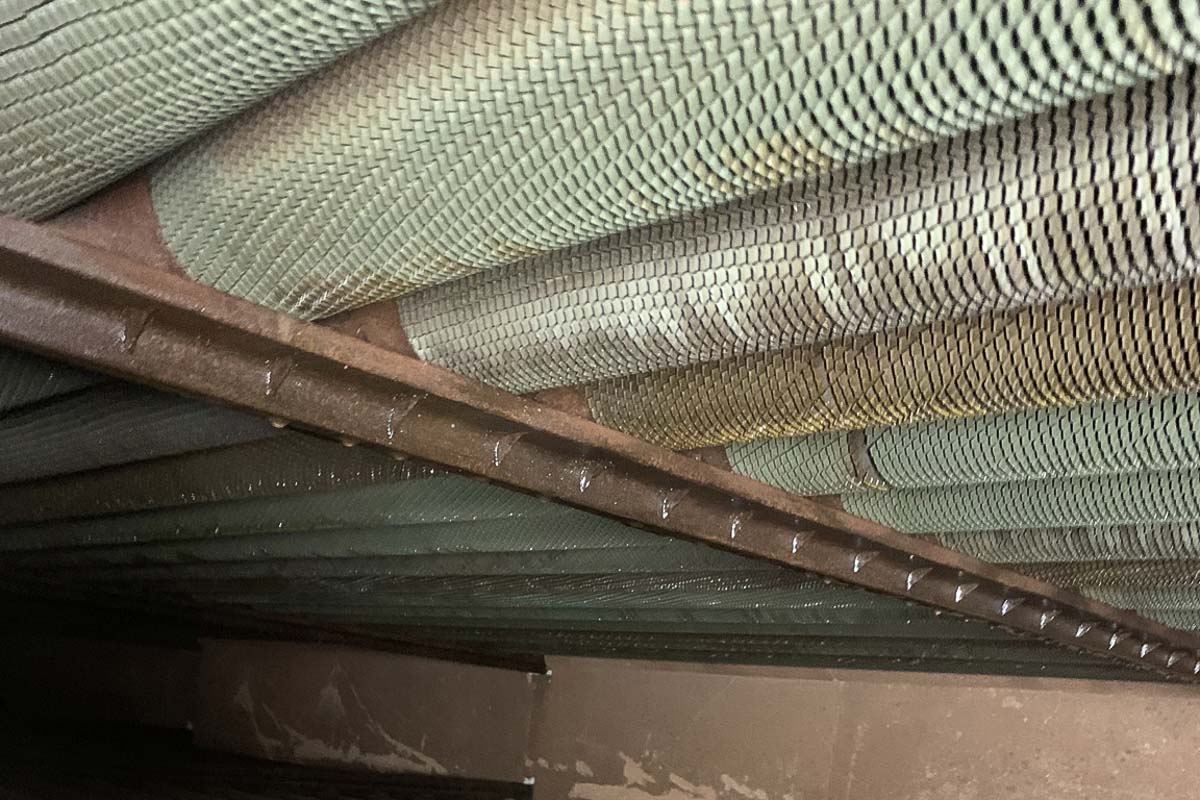
The refinery had been experiencing reduced performance due to fouling on convection bank tubes within a steam methane reformer.
- Hydrogen production cost decrease resulted in ROI in less than 60 days
- Flue gas temperature decreased by 3%
- Steam production increased by 20%
Robot Restores Stack Temperatures in Holland
The convection section of the fertiliser production plant’s Primary Reformer Furnace was heavily fouled as it had never been cleaned before and fouling build-up was affecting efficiency.
Rovex® was deployed to penetrate deep between the tube rows and remove difficult fouling while protecting the surrounding refractory from damage.
- Stack temperatures were restored
- 90%+ of fouling was removed
Free Whitepaper: How to Cut Emissions & Fuel + Increase Capacity in Fired Heaters
Rovex® Robotic Cleaning Features
Smart digital sensors
Automatically adjusts water pressure to deliver fouling removal results whilst protecting asset materials. The robot also adjusts to warped tubes.
Adjustable lance and track
The robot can access every row of a convection bank regardless of size. As it is remotely mounted, there is no need for man entry so fouling removal can be completed safely.
Pre-programmable
The robot is pre-programmed with asset information prior to arrival on-site, saving valuable time and ensuring that fouling removal is precise and thorough.
Records images and videos
An HD camera records footage of the fouling removal taking place and identifies any blockages or areas of concern. These can be used for reporting purposes and future fired heater maintenance planning.
What do our customers say?
“The service they provide, in my opinion, is second to none. Technically and technologically TubeTech™’s knowledge surpasses any company I have personally met that supplies this kind of service.”
Process Engineer, Major European Refinery
Contact a Fired Heater Furnace Expert Today
Rising stack temperature, reduced thermal efficiency or lower process output may indicate difficult convection-section fouling. Our team can assess the problem and determine whether Rovex® robotic cleaning can help restore fired-heater performance.