
 Careers
 Lessons Learned from Ensuring Circulating Fluidized Bed (CFB) Boiler Reliability
Interview with the Boiler Engineering and Maintenance Specialist
We are interviewing Joel Taylor, Boiler Engineering and Maintenance Specialist. Joel has ensured reliable operation of 7 Circulating Fluidized Bed Boilers between 4 Plants across his 15 Years of CFB Experience. Joel’s recent experience comes from 2X Foster Wheeler CFB Boilers that were burning Lignite Coal. Interviewing Joel is Ed Griffith, IGS CFB Boiler (SMARTGard®) Thermal Spray Expert, Integrated Global Services.
Ed:
Why did you initially decide to use thermal spray as part of your erosion mitigation and reliability strategy?
Joel:
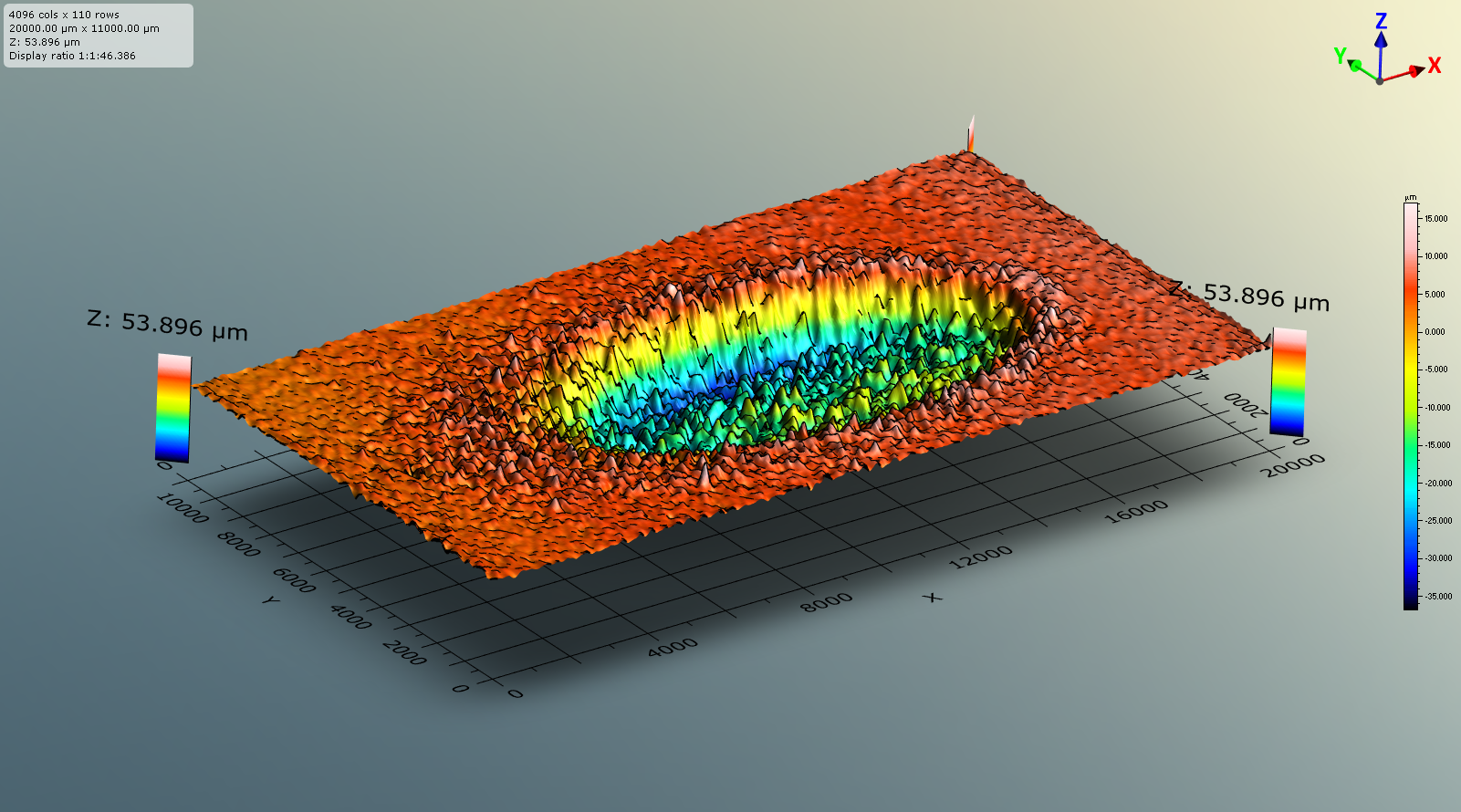
One of the reasons is you need to consider what’s going on, what the erosion pattern is, or even the corrosion pattern. If it’s pure erosion, then you need to create a surface that is extremely smooth and that easily transitions from bare tube over into the thermal spray surface. If you use weld overlay, it’s going to be really bumpy, there’s a large step change from bare tube to welded overlay or hard facing. Whereas, thermal spray offers a very smooth transition. And when I’m saying smooth, I’m talking down to thousandths of an inch, whereas the welding is much more pronounced.


Ed:
Weld overlay, aka hard facing, is often used in erosion or wear situations. Have you considered using it in your boilers?
Joel:
We did not consider hard facing. The units I worked on had high-ash coals and extremely abrasive ash. Hard surfacing creates irregular patterns, in terms of smoothness, which set up small locations for eddys. Some areas in the boilers I worked on were hard faced, and we removed that hard facing each year, based on priority, because it began gouging into the tubes.
I also worked with a small boiler where hard facing was used in the lower combustor, and it performed well for years until a fuel change. After that, the hard facing could no longer withstand the new ash recirculating in the CFB, and they eventually switched to a High Velocity Thermal Spray (HVTS) application.
Ed:
With regards to various locations in the boiler, various erosion rates, what is the range of problems that you solved with HVTS?
Joel:
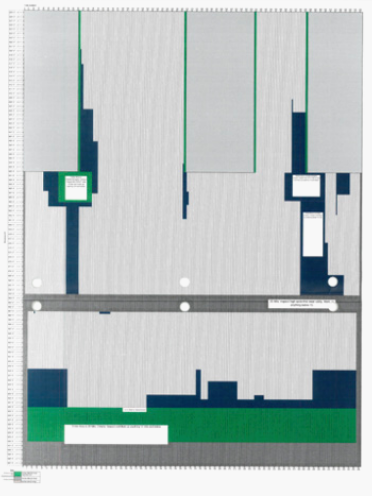
During an inspection, break the boiler into sections: lower combustor, front wall, roof tubes, side walls, and rear wall upper combustor (high erosion zones).
The most erosion occurs in the lower combustor corners, with erosion decreasing higher up, except near cyclone outlets. On side walls, one tube faces greater wear, while the opposite side shows none. IGS adjusted specs based on this.
The refractory interface is tricky due to ash buildup, causing significant erosion. Spray thickness increases each year to combat this.
Tailor the thermal spray application to each boiler section’s needs.


Ed:
Do you believe there are effective alternatives to the use of thermal spray for erosion-corrosion mitigation in CFB boilers?
Joel:
Some alternatives exist, but the choice depends on the process. In high-erosion environments, thermal spray is better than welded cladding or refractory, which often just shift the problem and create refractory-interface issues. Weld overlays also can’t be accurately measured and require repeated weld repairs, which are slow, risky, and can cause gouging, tube bowing, or even burn-through.
Thermal spray, however, can be applied to very thin tubes—we used it on a tube only 0.050″ (1.27 mm) thick, and it performed well for a full year. It protected the remaining wall until the next planned outage, avoiding an early or forced replacement.
Understanding your wall-loss process is essential. I prefer thermal spray because it’s measurable, visible, and proven.
Ed:
Having used thermal spray for 15 years, what do you think of the total cost of ownership relative to other strategies, such as doing repetitive replacement, weld build up or other strategies?
Joel:
One of the things we experienced over a seven-year period is that we had a very large mechanical repair process (during each outage) for about three years. That included replacing eroded boiler tubes, restoring wall loss, and repairing erosion areas. Extremely labor intensive. Typically, we’re looking at 20 workers per shift and the process took about 8 days (i.e., 16 shifts) with 20 men per shift. And we were doing thermal spray cladding in addition to that.
As we solved key mechanical issues, that workload shrank to a single shift with four people (only one welder). Thermal cladding became predictable—we knew where to install or refurbish it based on yearly inspections.
We moved from high, unpredictable labor hours to low, consistent, planned work—much better for outage planning and budgeting. We also avoided pressure-part replacements, which are risky in CFB boilers due to tube-alignment challenges that can cause long-term erosion issues Seeing the mechanical repairs shrink and the boilers stop driving outage schedules was largely due to the HVTS cladding.


Ed:
Did you have to replace the HVTS protective thermal spray outage to outage?
Joel:
We only ever fully removed thermal spray when making a permanent mechanical repair—such as correcting a bad membrane weld, addressing an old weld overlay, or modifying a tube design. Otherwise, removal was limited to small, localized areas where a tube repair was needed.
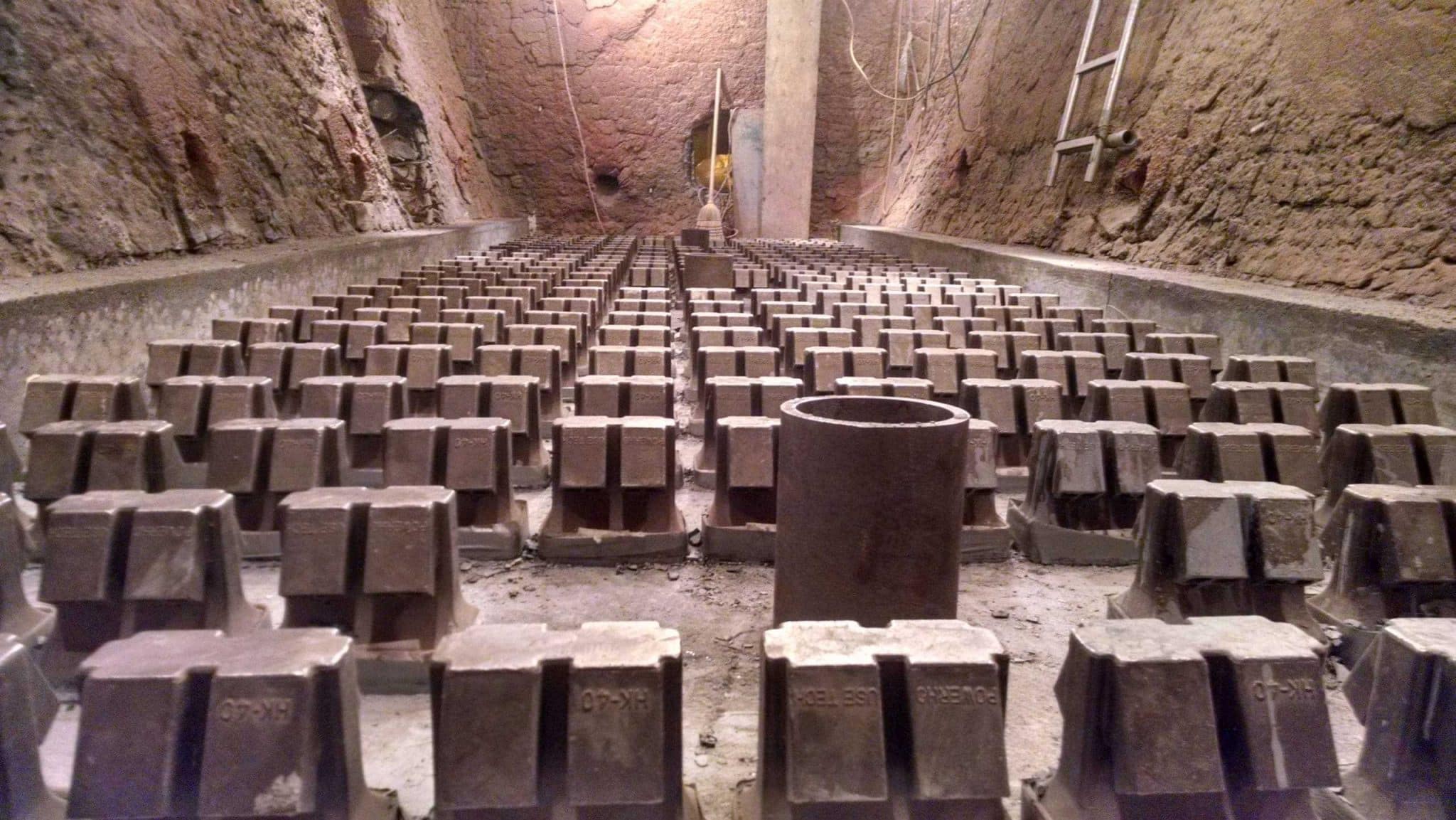
In very high-erosion zones, refurbishment is expected, though not necessarily every year. The timing depends on erosion rates and remaining coating life. By tracking boiler wall loss and thermal-spray thickness loss annually, you can tightly control how much refurbishment is needed.
Even with 50,000–100,000 sq ft of thermal spray inside a boiler, the actual area requiring refurbishment is only a small fraction.
Ed:
What would your view be on using iron-based coatings, which aren’t measurable with the traditional method of magnetic liftoff techniques?
Joel:
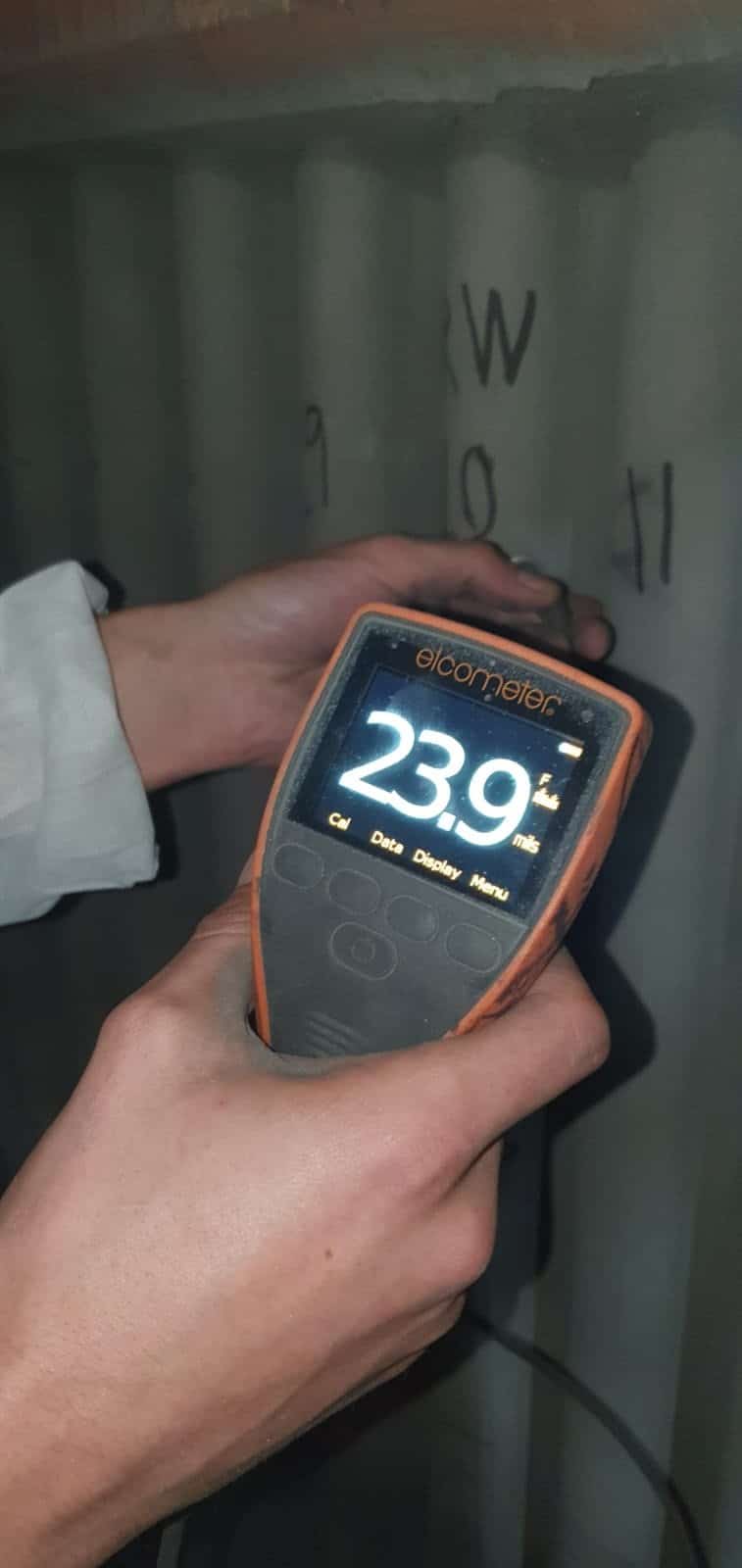
We never even considered iron-based unless it was strictly just completely temporary, and we plan to remove it next year. The measurability is so important, especially in the erosion area. The cladding in the erosion areas needs to be measurable so that you can inspect it from year to year.
Ed:
Do you think it is beneficial for your thermal spray vendor to have a good understanding of their materials’ capability?
Joel:
Definitely. We had corrosion-prone areas to cover during an unplanned, low-budget outage. IGS recommended a cheaper temporary material, with the plan to replace it later. It worked well—longer than expected—and was eventually removed and upgraded with a longer-lasting material.
Ed:
In 2017, your management team, insisted or encouraged you to trial a different thermal spray vendor to your usual contractor. Could you please describe your experience?
Joel:
This decision was made purely on budget and it didn’t include some of the intangibles, like the review of the history of the unit, having knowledgeable people that have worked on similar units at different facilities with different companies. And the biggest difference was really the quality control. As I mentioned before, we had a unique IGS HVTS specification. We had multiple specifications, so different areas got different thicknesses sprayed on based on the wear rate in each location. The other contractor did not have the capability or the knowledge to perform the appropriate quality control measures.
Two other individuals (plant end-user employees) and I had to perform that function ourselves. We found ourselves working extremely long days, crossing over multiple shifts. Then since they didn’t have a proper QA process for our application, the thermal spray time was increased (extending the outage schedule unexpectedly), mainly because they had to go back and make repairs that we identified, remove material and then reinstall it. Then we’d go back to perform quality control checks. It made life very miserable for us for that outage, even though on paper, we saved a few nickels, I believe that we got an inferior product by using a different vendor.
Ed:
How do different thermal spray vendors compare in your experience?
Joel:
The first is the materials. IGS helped us stop the corrosion completely, so that became a non-issue. Regarding the erosion process, we were able to gain control of the erosion component.
I’ve looked at a lot of other companies that do thermal spray. In one of the facilities I worked at, we installed a panel that had a different vendor’s shop-sprayed application on it, a month later we had a tube failure, not in that area, but when I went over to do the inspection, that cladding was entirely gone, 100%, you couldn’t even tell that it had been thermally sprayed at all. That material obviously did not work. It might be good for maybe a corrosion process or for preventing slag, but it did not work for erosion.
There also needs to be knowledge of where to put the material for the process that is damaging the tubes. The other is just the quality. There’s nothing worse in a plant than fighting with installing the cladding. Say, you ask for 20 mils back, you go in, you do your inspection, and it’s 5 mils. There’s nothing worse than that. And now you’re having to move resources back to an area to get it sprayed up to thickness and then what will usually happen is they’ll actually overspray it, so then it’ll be too thick and now you have to remove material, so you just end up chasing your tail a lot on the quality.
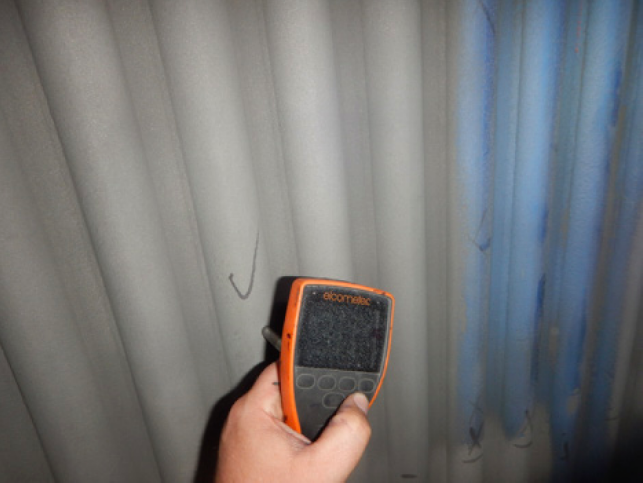
And then just the knowledge of the applicators. When they were installing the material, IGS could perform their own inspections and see the issues prior to my inspection and they can fix them on their own. If they have some little bumps or something like that, that’s unacceptable, they could fix those prior to my inspection. IGS saved me days of inspection, and plus I only have 2 eyes. But if I have 8 guys that are spraying, now I’ve got 16 trained eyes looking at the cladding and it just makes the overall quality of the product better.
Ed:
What do you think the key aspects to success are related to utilizing a thermal spray technology in CFBs? Is it material? Is it the actual application technology? Is it the people knowing where and when to use thermal spray?
Joel:
That’s a difficult question to answer. I’m going to say it’s all three. You know, if you have a good material that’s going to work, that’s fantastic. But, If you can’t get it on the wall correctly, it won’t work. And then you can have great people and then a poor material, then you still can’t be successful. You have to have all three to have a successful application, to have a successful project.
The people make the biggest difference. The installation of a good material is not automated. This work is repetitive. It’s a really poor environment that you’re working in – it’s hot, you’re going to be sweaty. It’s going to be loud. And it takes a special group of people to work in those conditions for 12 hours a day. And to see the individuals at the end of their shift, still smiling, having technical discussions with the project manager, that is pretty impressive, especially after a long day, doing little touch ups, dragging heavy equipment around the boiler and they’re still happy about it because they know that you’re happy. I think, it speaks incredibly well of IGS’ management team, that they can have those kinds of people working for them.
Ed:
How has the thermal spray project execution evolved over the years?
Joel:
When I first started working with the IGS team in 2007, it was kind of a black box. I’m a very inquisitive individual and I wanted to understand the process. And so, I started getting more involved talking to the project manager on site, getting more detail and then really understanding the purpose of the thermal spray on the tubes. And for us it was two-fold: there was corrosion and then also erosion.
Accommodating Shrinking Budgets
And as budgets got thinner, we needed to figure out how we can do more work with less money. We started developing different specifications for different areas of the boiler. This increased the difficulty of the project.
Communication
One of the neat things that I saw that evolved over time was the communication between the client, myself, and the IGS project manager and even down to the individual team members, we developed a very good trust relationship there. From the first day that they came on site, we involved them in the inspection process, as if we’re showing them what we’re looking for and then that helped them understand what our problems were.
QA/QC Program
On the quality side, I have seen the evolution of the QA/QC program, where we could start tracking thermal spray down to a very small block. The last unit that I worked on was extremely complex as far as the corrosion process and the erosion-corrosion process goes. We needed to do more with less and so we had to really come up with a program that would allow us from year to year to be able to see what’s going on, how the thermal spray application is working and then what we can do to improve the reliability of the unit.
Ed:
What advice might you have for other plant personnel that are in similar positions, making decisions around thermal spray? What might you be able to pass on in terms of lessons learned?
Joel:
Start with a solid inspection and good data. High-resolution UT testing is key, along with open discussions about operations, fuel, tube failures, and anything else affecting the unit. Combine UT and visual findings, then talk through everything well before thermal spray work so you can define the scope, budget, and priorities.
At the start of each outage, we reviewed any changes—fuel, operations, variables—so IGS understood the process and could factor it into their inspections.
Free consultation with an IGS Subject Matter Expert
IGS is here to provide information, answer questions and create an effective solution for your needs.