
Reliability as a growth lever in India’s refining sector

By Sean Matthew, Business Development Manager, India

India’s demand for energy is rising steadily. Across emerging markets, the International Energy Agency (IEA) reports that India’s energy demand is growing fastest, with average increases of 3% annually expected until 2035. Even as renewables continue to be integrated, India’s oil demand is also flagged to rise by 2 million barrels per day (mbpd) to 2035, the largest increase in any country. With import dependency projected to ramp up from 87% in 2024 to 92% by 2035, the government is stepping up initiatives for domestic production.

As new capacity or investment in new assets will incur significant time, planning and cost, the burden is on existing refineries. The issue lies in the assumption that refineries will continue to meet escalating demands. Although originally designed for durability, long service life, and reliable performance under challenging conditions, they were not engineered to sustain progressively higher utilisation rates, stricter efficiency and emissions standards, and an ever-diminishing tolerance for operational disruption. Reliability and asset integrity have therefore become central to how refiners think about growth.

This shift is visible in the conversations unfolding around India Energy Week. Between policy panels and investment forecasts, a key question has emerged: How long can ageing infrastructure continue to deliver at higher expectations without a change in how it is maintained?
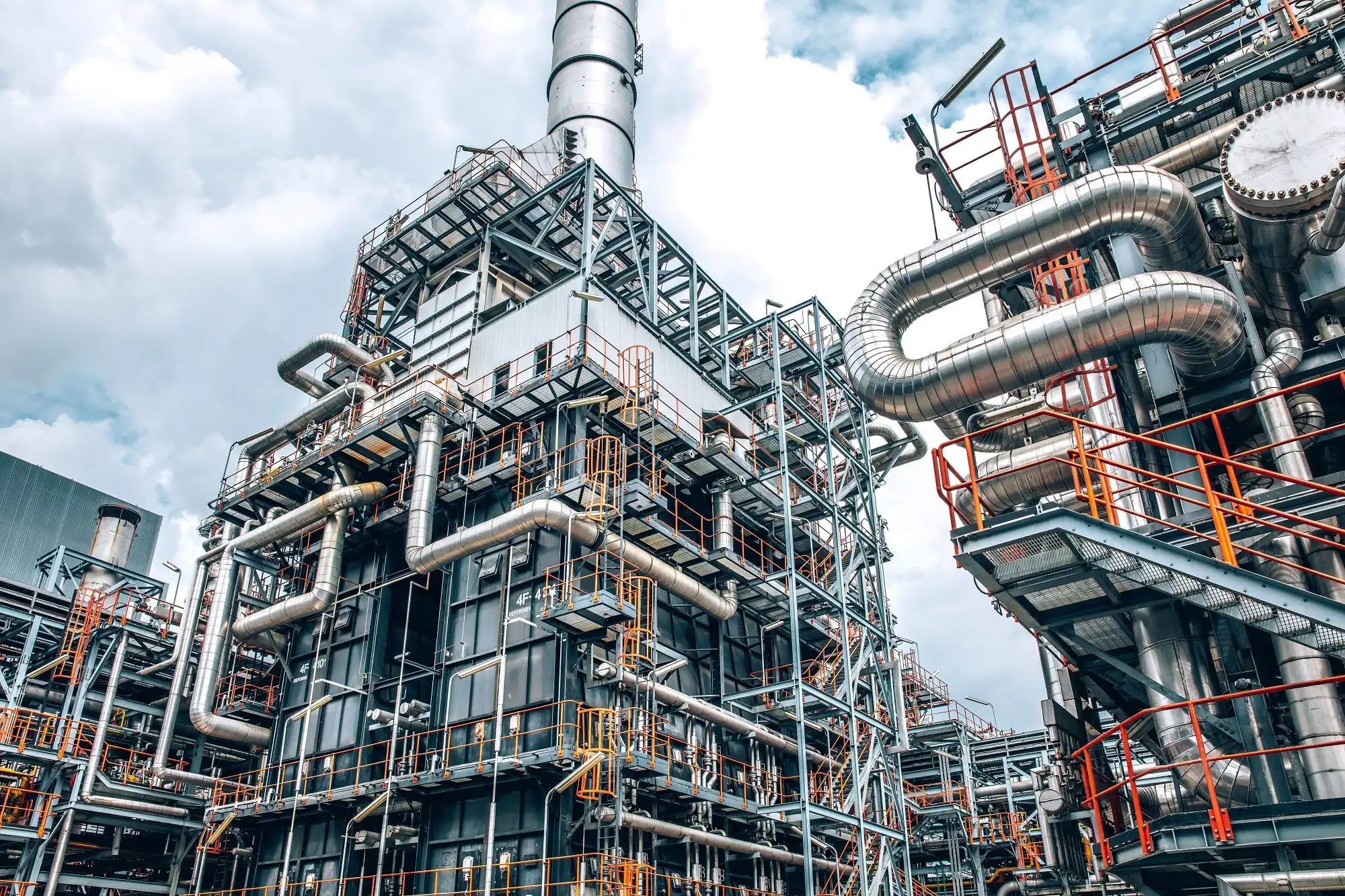
When higher utilisation rewrites operating rules

Most refineries operating today were not designed for the severity they now face. Heavier crudes, higher throughputs and narrower operating margins are increasingly common. Fired heaters, reactors and pressure-containing equipment are exposed to greater thermal, mechanical and chemical stress.

This rarely manifests as sudden failure. Instead, the effects are gradual. Heat transfer efficiency declines, fuel consumption increases, temperature control becomes less forgiving and operating windows begin to narrow. For operations teams, these are familiar signals of ageing equipment under strain. For leadership teams, they translate into higher operating costs, reduced flexibility and greater risk of unplanned events.

In this environment, the typical maintenance mindset primarily built around response is no longer effective. A more proactive approach is essential so that refiners can address emerging issues earlier, while assets are still performing and options remain open.

refinery assets

Why efficiency has become a reliability decision

Energy efficiency plays a key role in this mindset shift. Efficiency is often measured in numbers: fuel saved, emissions reduced, and the payback achieved. Those figures matter, but often, reactive approaches incur higher long-term costs and the effects are difficult to sustain.

For instance, as internal surfaces degrade, radiant heat transfer weakens. To maintain duty, operators often compensate by increasing firing rates, which raises fuel consumption and places additional thermal stress on tubes and refractory materials.

Restoring surface condition changes the tone of operations. Heat moves through the system more efficiently, temperature profiles stabilise and thermal stress is reduced. From a business perspective, it lowers energy costs, improves emissions performance and supports more consistent throughput.

This is where efficiency initiatives stop being an optimisation exercise and become a reliability decision.

A practical example from India

One of India’s largest refineries faced this scenario. Performance had begun to decline, efficiency losses were measurable, though not dramatic, and the equipment was still running, so the temptation was to defer action. Instead, the operator chose to intervene early.

Working with IGS, the operator focused on restoring performance across critical fired heaters while keeping assets online, addressing the surfaces that influence how heat behaves inside the heaters. Online refractory repair services were carried out without shutting assets down, and high-emissivity ceramic coatings and high velocity thermal spray (HVTS®) alloy cladding were applied to improve radiant heat transfer and stabilise operating temperatures.

As a result, the refinery recorded an increase of around 10.5% in absorbed duty in the radiant section, alongside fuel savings of approximately 10%. These improvements delivered more than USD 4 million in annual energy cost savings, with a payback period measured in months. Tube metal temperatures also became more uniform, reducing long-term degradation risk.

More importantly, there was no forced outage or loss of delivery momentum, and the refinery maintained the flexibility to operate closer to capacity.


See more case studies


Why turnaround-only thinking no longer fits today’s reality

As utilisation increases, unplanned outages carry higher opportunity costs, and increased exposure to risk and long-term damage to existing mechanisms. Deferring action until major shutdowns limits flexibility at times when predictability matters the most.

Out-of-turnaround solutions are gaining importance because they allow refiners to manage asset condition during normal operation. In-situ inspection, targeted repairs and surface protection technologies help maintain performance without interrupting production. This approach supports continuity, improves predictability and aligns with the realities of high-throughput operations.


Reliability as the clearest growth lever today

At a time when opportunities are expanding for India’s refinery sector, but new capacity is capital-intensive and time-pressured, improving reliability and infrastructure performance offers a more immediate path to growth. For leadership teams, the shift to out-of-turnaround solutions reduces uncertainty and supports more confident planning. For operations teams, it also provides practical tools to manage ageing assets with greater precision.

Investing early in reliability enables the ability to run harder when markets demand it, respond confidently to changes in feedstock or regulation, and compete on efficiency rather than volume alone.

Free consultation with an IGS Subject Matter Expert

IGS is here to provide information, answer questions and create an effective solution for your needs.

Contact us