
 Careers
 How a Large Refinery Achieved 9.8% Fuel Savings Through Fired Heater Optimization
Plant And Challenge Description
A major private-sector energy operator in India oversees one of the world’s largest integrated refining and petrochemical complexes, processing over 1.2 million barrels per day. With more than 20 fired heaters critical to CCR Platforming, hydrotreating, and thermal cracking, optimizing heater performance was essential to meet sustainability goals and operational targets. In collaboration with IGS, the plant launched a multi-phase initiative to enhance fired heater performance, targeting persistent challenges such as refractory degradation, tube oxidation, carburization, and inefficient heat transfer.
Enhancing Heater Longevity Without Interruptions
In the first phase (2008–2009), the plant engaged IGS to implement Hot-tek™ online refractory repair services during live operation. Using minimal access points, targeted repairs were made to damaged refractory areas affected by anchor failure and thermal cycling. This semi-permanent solution allowed continuous full-capacity operation and mitigated the risk of emergency shutdowns. As a result, the plant saw a 30% reduction in unplanned maintenance costs, validating the value of safe, real-time refractory interventions.


Accelerating Thermal Performance With Smart Coating Technology
A decade later, in 2019, the refinery deployed Cetek ceramic coatings during a scheduled turnaround of its CCR Platforming unit. The solution was applied to legacy and newly fabricated process tubes to:
- Prevent oxidation and carburization
- Enhance radiant heat transfer
- Stabilize bridgewall temperatures
Post-startup analysis revealed up to a 12°C increase in delta T across coated heater cells and up to 10.5% gain in absorbed duty. These results enabled higher throughput, better thermal balance, and typical productivity increases of 4% to 10%. Fuel efficiency improvements delivered a rapid payback in less than six months.
Delivering Measurable Efficiency Gains Across Radiant Sections
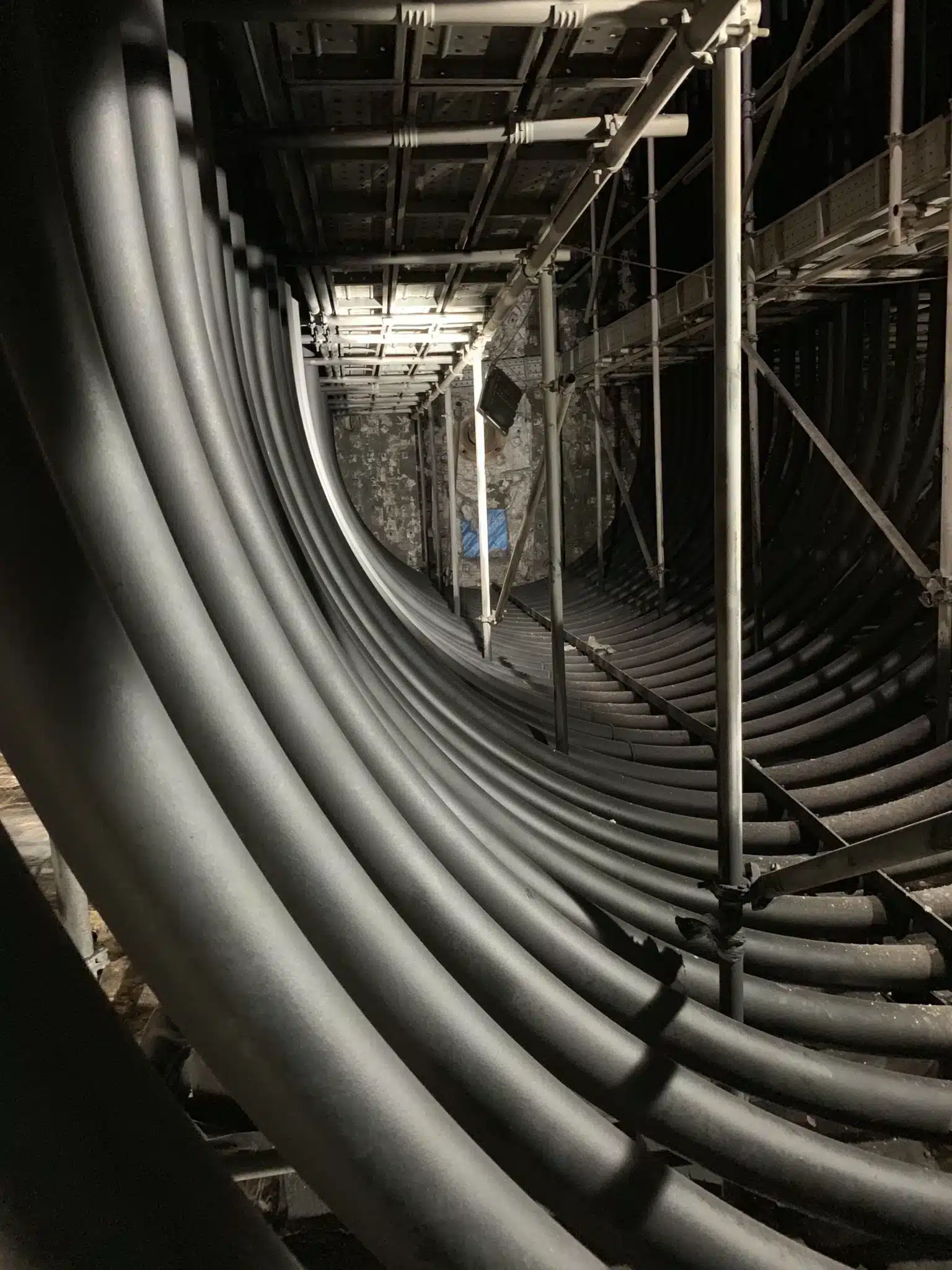
In 2024, the plant expanded the scope to a second platforming unit, applying Cetek coatings to the entire radiant section across five heater cells. This included:
- 274 process tubes (4,747.1 m² surface area)
- 4,837.76 m² of refractory (castable, ceramic fiber, brick)
The high-emissivity coating maintained near-original heat transfer rates, eliminated scale buildup, and reduced carburization risk, particularly under low excess oxygen conditions. The consistent surface enabled more accurate IR thermography and improved process control, enhancing operator confidence.
Summary of 2024 Fired Heater Coating Project
| Parameter | Details |
|---|---|
| Process Tubes Coated | 274 tubes (360° coverage) |
| Tube OD Range | 114.3 mm – 141.3 mm |
| Tube Surface Area Coated | 4,747.1 m² |
| Refractory Surface Area Treated | 4,837.76 m² (castable, ceramic fiber, brick) |
| Average Coating Thickness | 2.61 mils (with minimal efflorescence) |
| Fuel Savings Achieved | 9.8% average |
| Energy Savings | 24.81 Gcal/hr (~USD 4.2 million/year) |
| CO₂ Emissions Reduction | 46,370 metric tonnes/year |
| Radiant Efficiency Improvement | 11.3% (apparent, normalized) |
| Peak Tube Skin Temperature Drop | Up to 17°C |

Conclusion
Comprehensive fired heater optimization delivered 9.8% fuel savings and over $4 million in annual energy cost reductions, while significantly improving thermal efficiency, radiant heat transfer, and operational stability. By combining online refractory repair, high-emissivity ceramic coatings, and a structured inspection program, the refinery achieved measurable efficiency gains without disrupting production.
Together, these technologies not only reduced fuel consumption and CO₂ emissions, but also extended fired heater asset life and lowered long-term maintenance risk – providing a scalable, repeatable model for sustained refinery energy efficiency and fired heater performance optimization.
“Our long-term partnership with this refinery isn’t just about delivering technical fixes, it’s about unlocking sustained thermal efficiency and reducing operational risk across critical fired assets. By layering smart technologies like ceramic coatings and HVTS alloy cladding, we’re helping them operate cleaner, longer, and more reliably.”
– Ed Griffith, Managing Director APAC, IGS
Extending Asset Life Through Predictive Maintenance And Future Alloy Protection
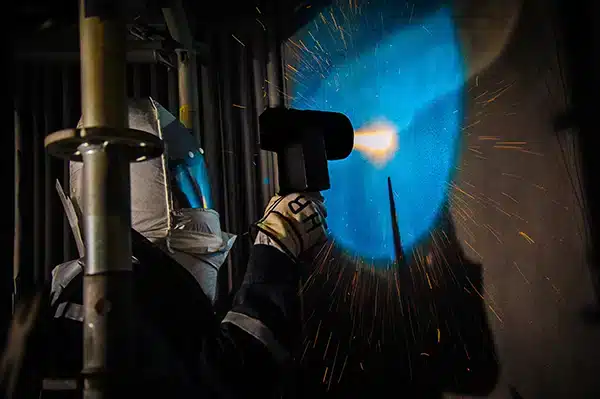
The refinery has since adopted a biannual inspection and audit program to ensure sustained coating performance. Initial reviews confirmed 100% coating retention with no degradation, indicating high durability and consistent thermal output.
Looking ahead, the operator plans to integrate HVTS alloy cladding during future turnarounds to protect pressure-retaining assets exposed to aggressive service conditions. Globally, this proven technology has extended component life by 15–20 years without the thermal distortion or downtime risks of weld overlays.

Free consultation with an IGS Subject Matter Expert
IGS is here to provide information, answer questions and create an effective solution for your needs.