 Careers
Engineering-Led Repair Strategies for High-Temperature Assets
In high-temperature environments, repair decisions carry long-term consequences that extend well beyond the immediate return to service. While welding has historically been the default intervention, evolving operating conditions and asset life expectations are driving a more rigorous, engineering-led approach.
A repair that restores geometry may not restore integrity. Long-term performance depends on how effectively the intervention accounts for material degradation, stress evolution, and operating conditions over time.
As highlighted by Yelena Rojas, Director of Asset Integrity Solutions at IGS, high-temperature repairs should be understood not as isolated maintenance tasks, but as engineered interventions within a material system that has already undergone significant transformation.
Reconsidering Welding in High-Temperature Service
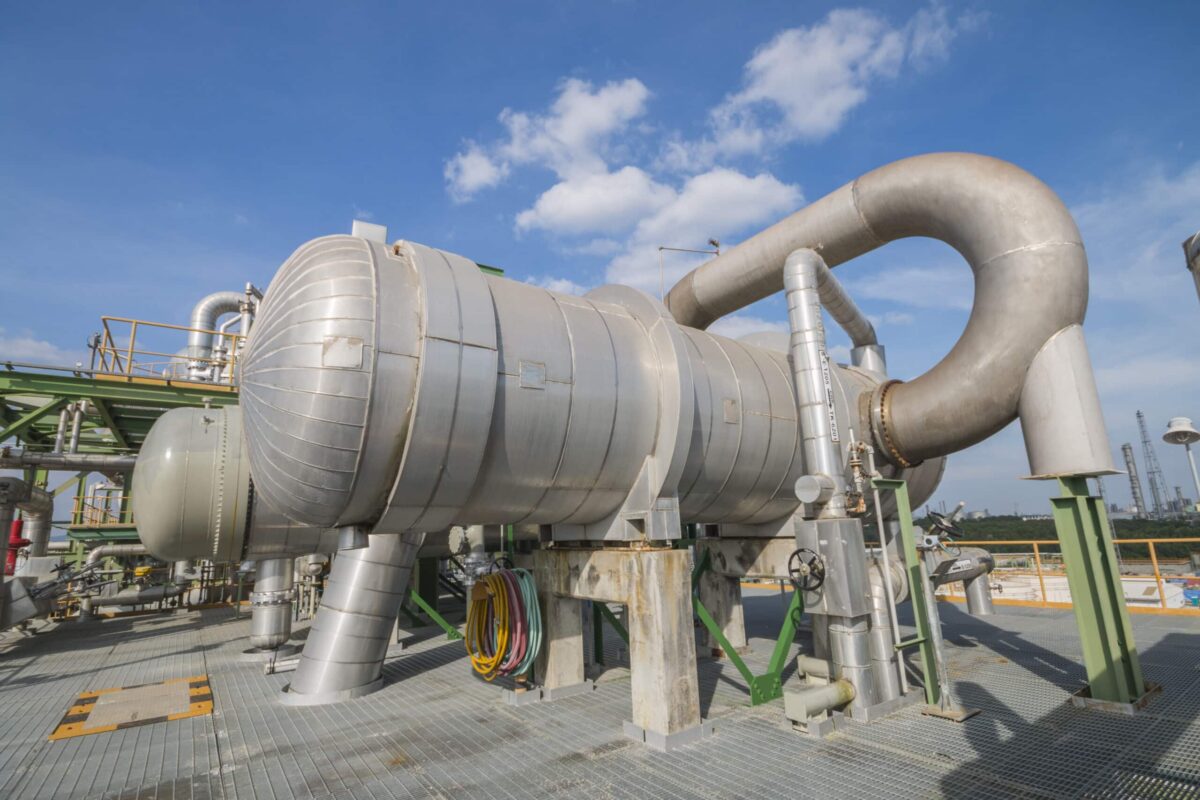
Welding remains a proven and reliable repair method. However, its implications in high-temperature environments are often underestimated.
By the time visible damage appears, materials have typically experienced prolonged exposure to creep, thermal fatigue, oxidation, and chemical attack. These mechanisms alter microstructure, redistribute stresses, and reduce remaining life.
Introducing additional heat through welding therefore becomes a structural and metallurgical variable, not simply a repair step.
Heat input can:
- Modify microstructure and hardness profiles
- Introduce or redistribute residual stresses
- Affect creep resistance in heat-affected zones
- Create new sites for crack initiation
If these effects are not fully considered during repair design, they may contribute to premature re-failure despite technically sound execution.
HVTS as a Complementary Engineering Approach
HVTS (High Velocity Thermal Spray) represents a different philosophy of repair and protection.
Rather than relying on high heat input to restore material, HVTS applies engineered claddings at significantly lower temperatures. This allows protection against corrosion and erosion while preserving the integrity of the underlying substrate.
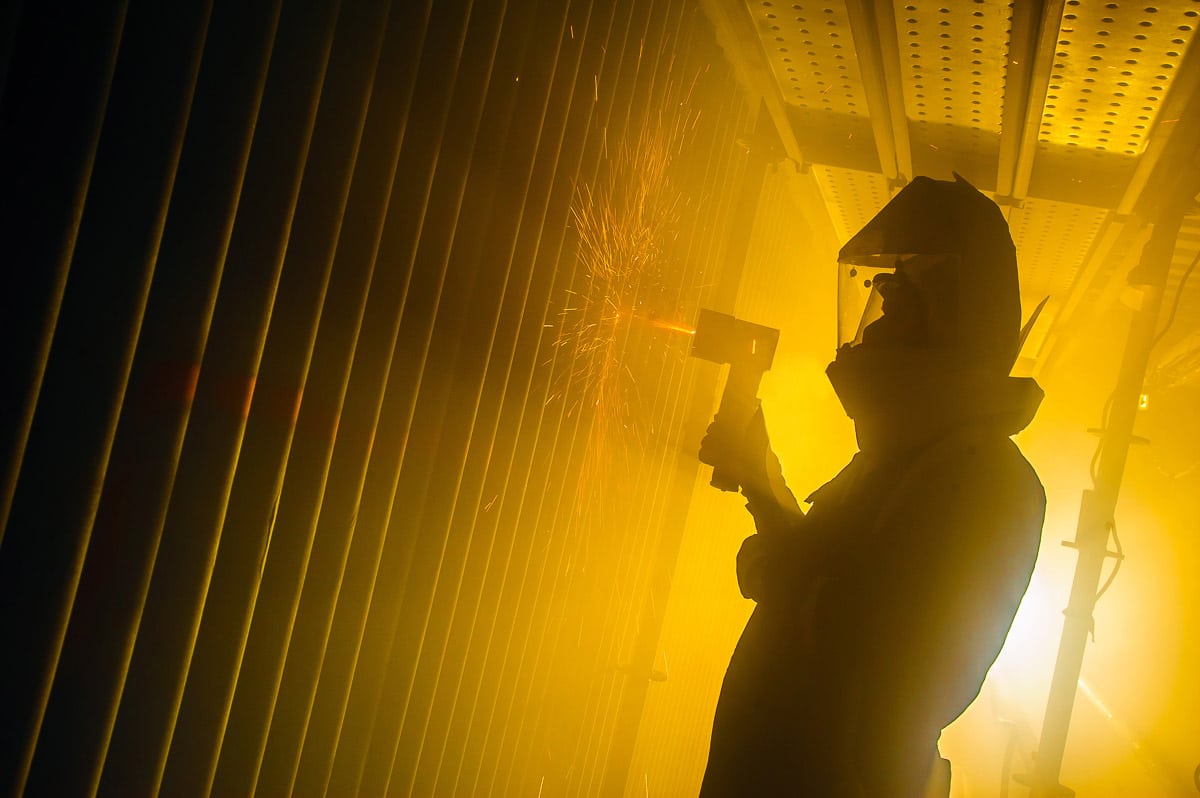
The distinction between welding and HVTS can be understood as follows:
| Parameter | Welding | HVTS (High Velocity Thermal Spray) |
|---|---|---|
| Primary Function | Structural repair and material restoration | Surface protection and life extension |
| Heat Input | High | Low |
| Impact on Base Material | Alters microstructure and introduces HAZ | Minimal metallurgical impact |
| Residual Stress | Introduced or redistributed | Minimal |
| Suitability for Degraded Material | Can be limited by remaining thickness and condition | Well-suited where substrate preservation is critical |
| Dominant Use Case | Crack repair, pressure boundary restoration, section replacement | Corrosion/erosion mitigation, proactive protection |
In environments such as waste-to-energy boilers, where aggressive conditions accelerate material loss, early intervention with protective technologies has been shown to extend service life and avoid more invasive repairs.
Automated vs Manual Welding
The effectiveness of any repair strategy depends not only on the selected method, but also on its execution.
Automation has introduced significant advancements in welding quality and productivity, particularly for large-scale applications. However, its benefits are closely tied to operating conditions.
| Aspect | Automated Welding | Manual Welding |
|---|---|---|
| Consistency | High repeatability in heat input and bead geometry | Dependent on operator skill |
| Productivity | High, especially in large-scale applications | Lower for repetitive tasks |
| Adaptability | Limited in irregular or variable conditions | High adaptability to field variability |
| Preparation Requirements | Requires precise fit-up and surface condition | Can accommodate imperfect conditions |
| Role in Projects | Ideal for controlled, repeatable execution | Essential for preparation, correction, and complex geometries |
Automation improves consistency and predictability, particularly in controlled environments. For example, large-scale boiler projects may deploy multiple automated systems simultaneously to achieve uniform overlay coverage.
However, field conditions are rarely ideal. Misalignment, distortion, and material variability often require manual intervention before automated processes can be applied effectively.
As emphasized by Rojas, automation enhances execution but does not replace engineering judgment.
From Repair to Asset Strategy
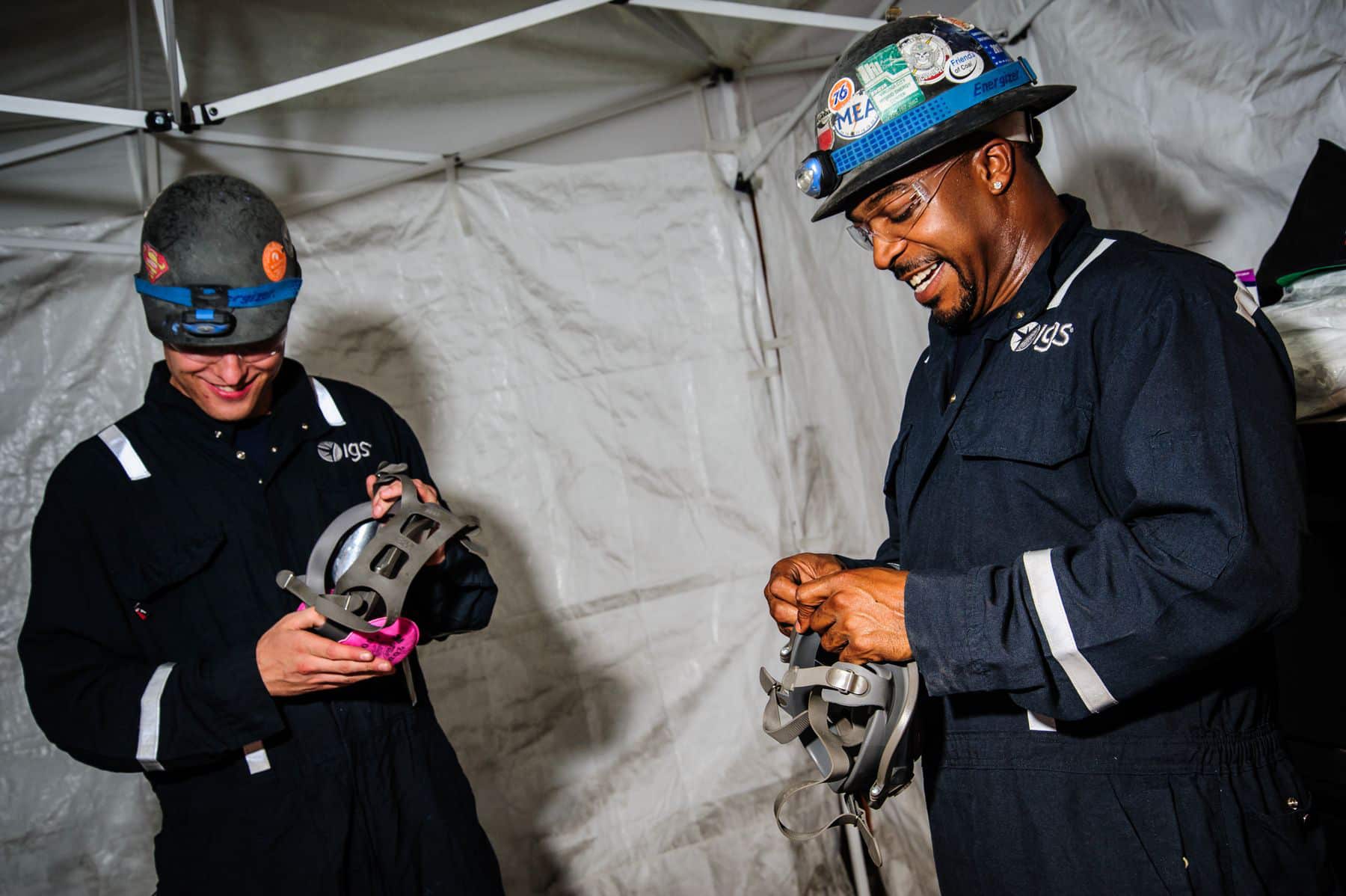
Industry is mobing from reactive repair toward integrated asset life management.
This requires alignment between repair design and operational objectives. Not all repairs are intended to achieve the same outcome. Some are designed as short-term solutions to bridge to the next outage, while others aim to extend asset life over a decade or more.
Engineering considerations therefore include:
- Identification of dominant damage mechanisms
- Evaluation of remaining life and material condition
- Control of heat input and residual stresses
- Assessment of geometry changes and load redistribution
- Alignment with inspection intervals and production targets
Importantly, repairs alter geometry, and geometry influences stress distribution. Without proper analysis, even minor modifications can introduce new areas of vulnerability.
HVTS and Welding – What’s the Right Solution?
The discussion is not a matter of choosing one over the other, but of appropriate application.
Welding remains essential where structural integrity must be restored. HVTS provides a complementary solution where the objective is to protect, preserve, and extend the life of existing materials, particularly under tight turnaround constraints.
A combined approach is often the most effective:
- Welding to address structural deficiencies
- HVTS to mitigate future degradation mechanisms
Such integration supports a transition from repeated intervention toward sustained reliability.
Conclusion
Experience across high-temperature industries consistently demonstrates that failures are rarely isolated events. They result from the cumulative interaction of stress, environment, and material behaviour over time.
Effective repair strategies therefore require more than technical execution. They require:
- A clear understanding of root cause
- Alignment with long-term operational objectives
- Careful selection of repair methodology
- Integration of materials science, structural analysis, and field expertise
As asset owners continue to balance performance, cost, and risk, the emphasis is on solutions that not only restore operation, but sustain it.
If your organisation is evaluating repair strategies for high-temperature equipment, a more engineered approach can significantly improve long-term outcomes.
Contact IGS to assess whether HVTS, welding, or a combined solution is best suited to your asset integrity and life extension objectives.


Meet Our Welding Experts
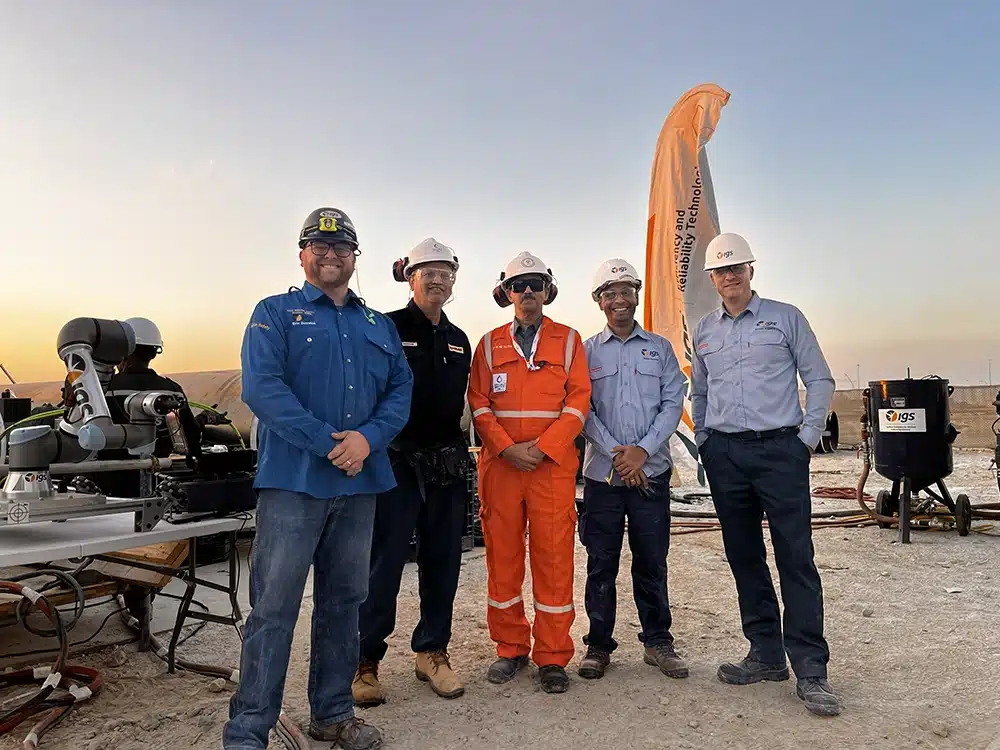
IGS brings together a global team of specialists in welding engineering, metallurgy, and field execution.
Each expert contributes to:
- Welding procedure development and qualification
- Metallurgical assessment and alloy selection
- Failure analysis and repair strategy design
- On-site execution and quality assurance


Industries Served
- Refining, Petrochemical & Agrochemical
- Power Generation: Waste-to-Energy, Biomass, Coal Power
- Metals & Mining
- Chemical Processing
- Pulp & Paper
- Agriculture
Our Welding Services
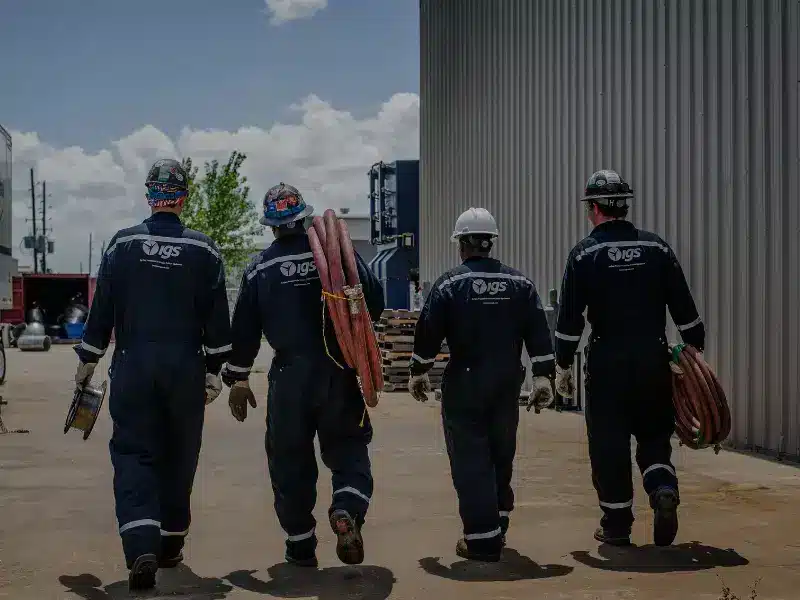
Extend asset life and safeguard critical infrastructure with IGS’s industry-proven automated welding services

Roger Matos
IGS Subject Matter Expert
Why Choose IGS?
At IGS, we deliver measurable value through our proprietary technologies, fostering long-lasting partnerships built on efficient execution and excellence.
- Industry-Leading Technology: Proprietary technologies, including Welding, Metalspray™, & HVTS® ensure consistent quality
- Safety First: Industry-leading safety standards
- Trained Specialists: Full-time specialized workforce with extensive experience
- Proven Track Record: 40+ years’ experience across 500+ annual projects in 105 global locations
- Superior Project Management: Expert planning and execution that minimizes turnaround time
- Comprehensive Preparation: Our detailed planning process means we execute faster with fewer surprises
- Advanced Alloy Expertise: In-house laboratory for testing and pre-qualification of specialty alloys
Contact our team of experts to discuss your objectives.
50+ Years of Asset Integrity
Since 1978, IGS has helped the world’s largest industrial operators extend asset life, reduce maintenance costs, and ensure safer, more reliable operations.