
 Careers
 Where Materials Science Meets Field Execution
High-temperature repair is an engineering discipline grounded in materials science, structural mechanics, and real-world operating conditions.
At IGS, we design repairs based on how materials behave over time, under heat, stress, pressure, and chemical exposure, restoring not just geometry, but long-term integrity.

Engineering-Led, Not Procedure-Led
Repairs are often executed as procedural welding activities. But in high-temperature environments, long-term performance depends on far more than workmanship alone.
Materials in service are continuously evolving. Creep, thermal fatigue, oxidation, and carburization interact to change microstructure and mechanical properties over time. By the point of repair, the material is no longer in its original condition.
That’s why every IGS solution begins with engineering fundamentals:
- What damage mechanism is active?
- What is the root cause?
- What is the required service life?
- What conditions will the repair face after restart?
Without this framework, repairs risk addressing symptoms rather than causes.
The Science Behind Reliable Repairs
- Damage Mechanism Alignment
- Heat Input as a Critical Variable
- Geometry and Load Path Matter
- The Material Has a History

Damage Mechanism Alignment
Not all degradation is the same, and neither are the solutions.
- Creep-driven damage requires consideration of stress redistribution and creep strength
- Corrosion or erosion demands careful material selection and surface protection
- Thermal fatigue calls for attention to cyclic stress and geometry transitions
A repair that is not aligned with the dominant damage mechanism may perform well initially, but degrade prematurely under continued operation.
Heat Input as a Critical Variable
Welding is a metallurgical event. Heat input directly influences:
- Microstructure formation
- Residual stress development
- Hardness and brittleness
- Long-term creep and fatigue resistance
Improper control can reduce service life before the asset even returns to operation.
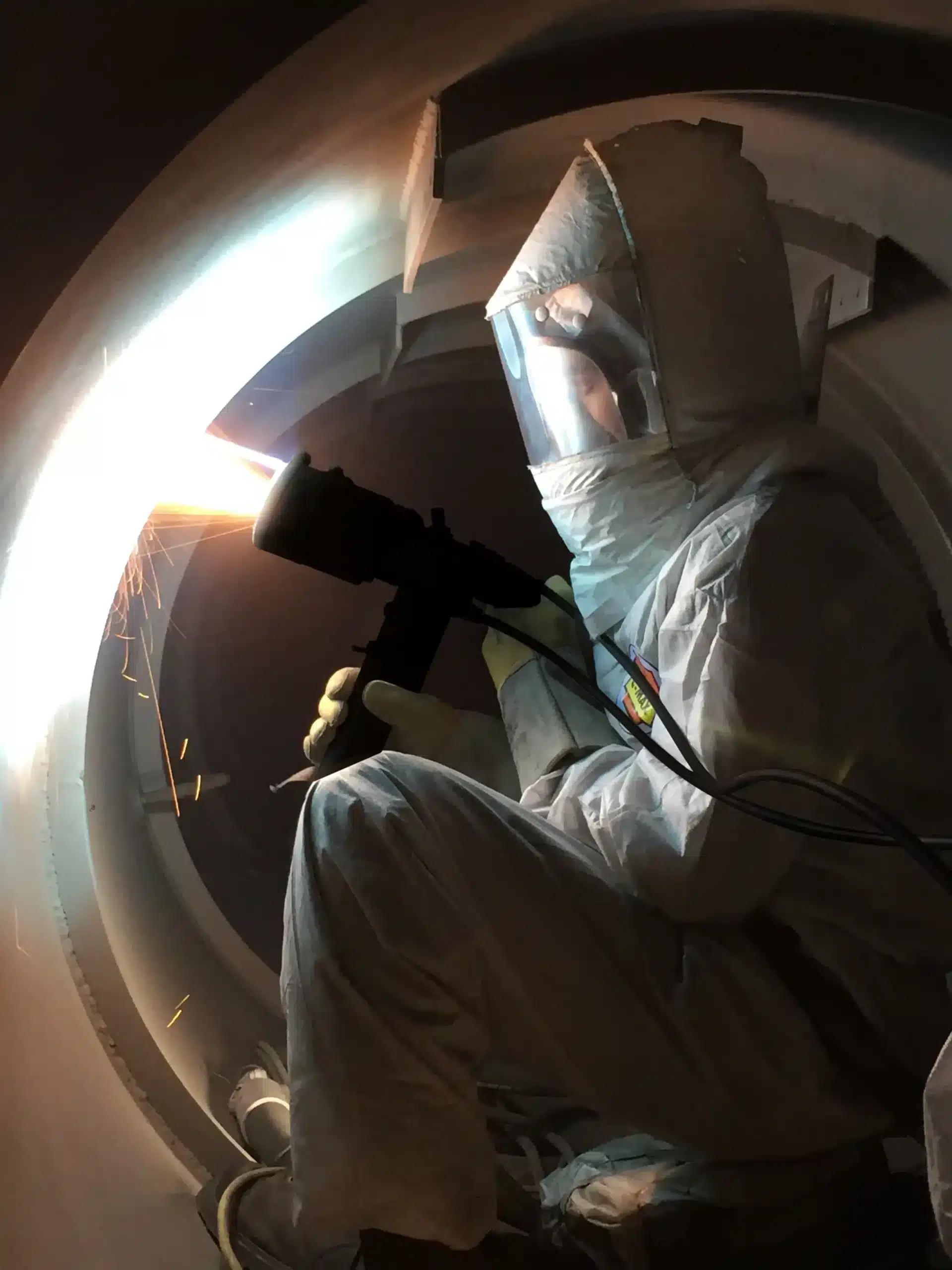
This is why IGS integrates controlled processes, including automated and mechanized welding, to ensure consistency, while applying engineering oversight to adapt to real field conditions.
Geometry and Load Path Matter
Every repair changes how a component carries load.
Even small geometric modifications, such as weld overlays or build-up, can:
- Introduce new stress concentrations
- Alter stiffness and constraint
- Shift failure locations to adjacent areas
Restoring thickness is not the same as restoring integrity. Repair design must account for how stresses redistribute across the component.
The Material Has a History
“A repair is not just restoring geometry, it’s intervening in a material system with a history.” – Yelena Rojas, Director of Asset Integrity Solutions, IGS
Over time, materials experience:
- Grain coarsening
- Residual stress accumulation
- Microstructural degradation
- Chemical changes at the surface
A repair must account for this “invisible history”. Otherwise, it risks rebuilding on a compromised foundation.
Turning Theory into the Right Solution
Our technical foundation does more than inform how we execute repairs, it guides which solution is right in the first place.
No two assets, damage mechanisms, or operational goals are identical. Selecting the appropriate repair strategy requires balancing materials science, structural considerations, and business objectives.
This is where decision-making becomes critical.
Before any solution is applied, we evaluate:
- The dominant damage mechanism
- Remaining life and required service interval
- Operating conditions (temperature, pressure, cycling)
- Geometry and stress distribution
- Risk tolerance and outage constraints
From this, we define the most appropriate path forward.
Applying the Right Solution
Each solution is selected based on specific operating conditions, damage mechanisms, and required service outcomes.
| Solution | Best Applied When |
|---|---|
| HVTS (High Velocity Thermal Spray) | Corrosion or erosion is the primary damage mechanism and minimal heat input is required. Preserves base material while adding a protective barrier, ideal for fast application in time-critical turnarounds. |
| Automated Field Weld Overlay | Large surface areas require consistent, controlled deposition. Best for applications where repeatability and metallurgical stability are critical |
| Specialty Welding Services | Damage is complex or localized, requiring tailored procedures and engineering judgment to address specific conditions |
| Weld Build-up Services | Geometry must be restored, with careful consideration of load paths, stress redistribution, and structural integrity |
| Coke Drum Repair | Equipment is exposed to severe thermal cycling and fatigue, requiring solutions designed to manage cyclic stresses and extend service life |
In some cases, a targeted, short-term solution is the most effective way to safely reach the next outage. In others, a fully engineered life extension strategy delivers greater long-term value.
The right decision is not just how to repair, but how that repair will perform over time.


Meet Our Welding Experts
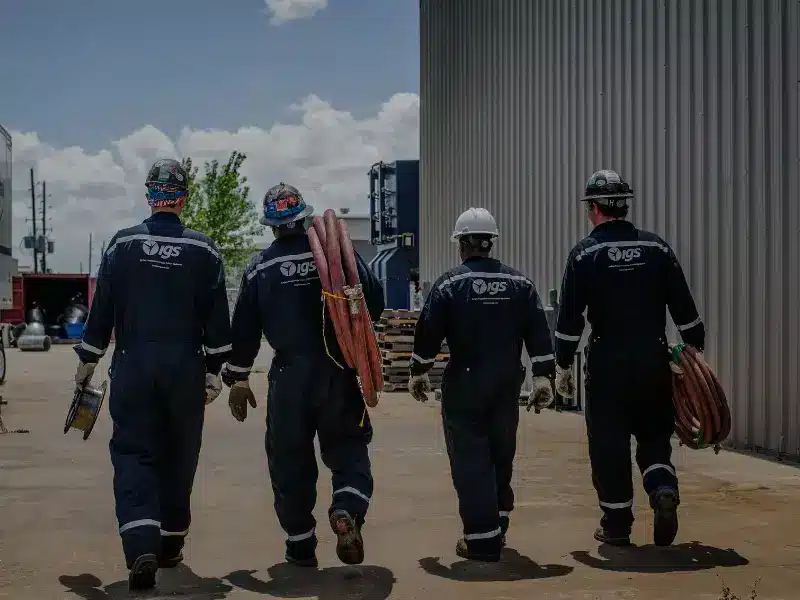
IGS brings together a global team of specialists in welding engineering, metallurgy, and field execution.
Each expert contributes to:
- Welding procedure development and qualification
- Metallurgical assessment and alloy selection
- Failure analysis and repair strategy design
- On-site execution and quality assurance


Industries Served
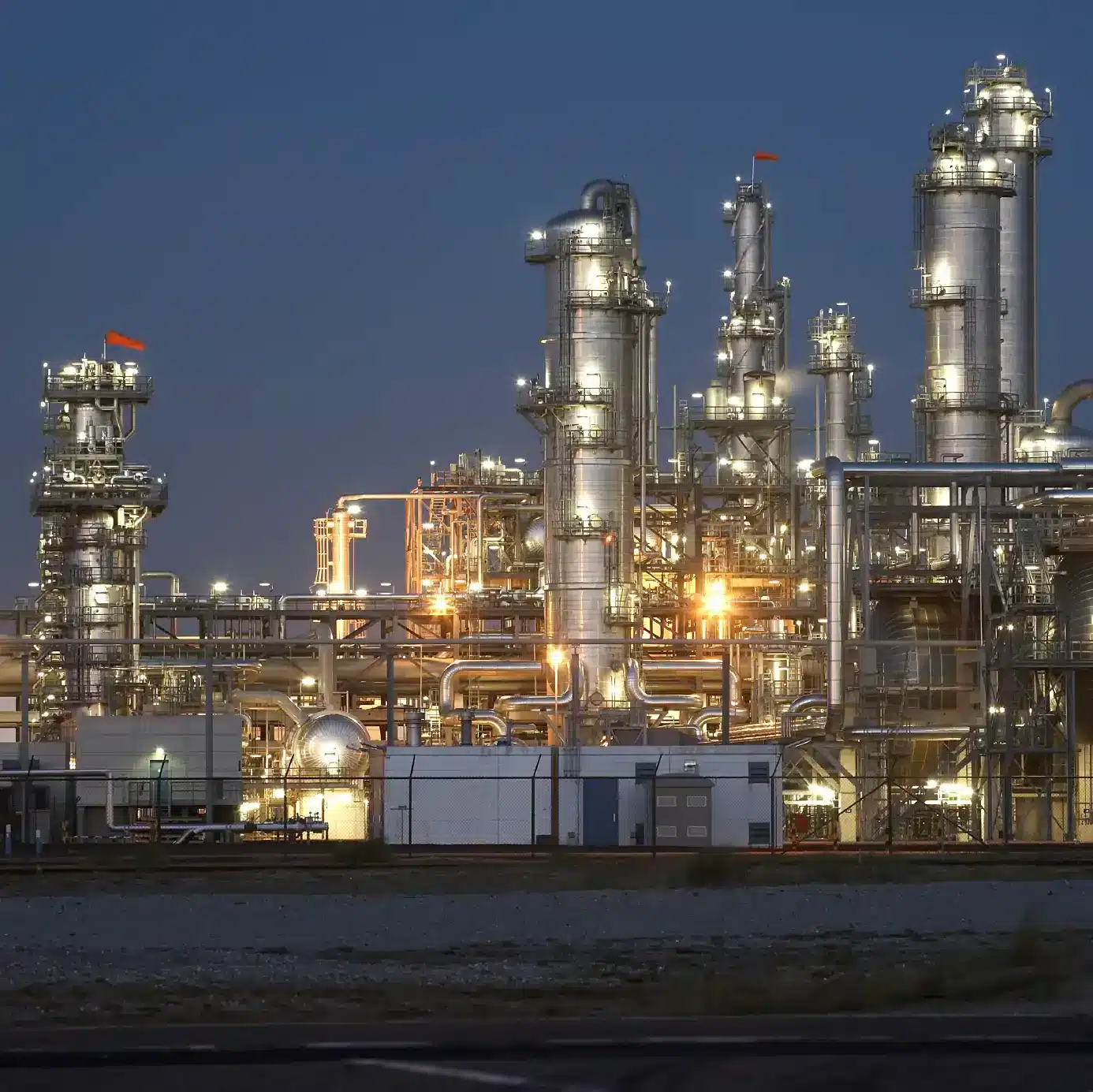
- Refining, Petrochemical & Agrochemical
- Power Generation: Waste-to-Energy, Biomass, Coal Power
- Metals & Mining
- Chemical Processing
- Pulp & Paper
- Agriculture
Our Welding Services
Extend asset life and safeguard critical infrastructure with IGS’s industry-proven automated welding services

Roger Matos
IGS Subject Matter Expert
Why Choose IGS?
At IGS, we deliver measurable value through our proprietary technologies, fostering long-lasting partnerships built on efficient execution and excellence.
- Industry-Leading Technology: Proprietary technologies, including Welding, Metalspray™, & HVTS® ensure consistent quality
- Safety First: Industry-leading safety standards
- Trained Specialists: Full-time specialized workforce with extensive experience
- Proven Track Record: 40+ years’ experience across 500+ annual projects in 105 global locations
- Superior Project Management: Expert planning and execution that minimizes turnaround time
- Comprehensive Preparation: Our detailed planning process means we execute faster with fewer surprises
- Advanced Alloy Expertise: In-house laboratory for testing and pre-qualification of specialty alloys
Contact our team of experts to discuss your objectives.
50+ Years of Asset Integrity
Since 1978, IGS has helped the world’s largest industrial operators extend asset life, reduce maintenance costs, and ensure safer, more reliable operations.