
 Careers
 Sulphur Dew Point Corrosion Protection for SRU, TGTU and Acid Gas Systems
Sulphur management assets face persistent reliability threats from acid condensation and sulphur species. Sulphur dew point corrosion is the most damaging mechanism in cool-end gas paths, where SO₂ and SO₃ combine with moisture to form sulphuric acid (H₂SO₄).
Under these conditions, unprotected carbon steel and even high-alloy stainless steels can suffer rapid wastage, leaks and unplanned outages.
This page outlines where sulphuric acid corrosion occurs across SRUs, TGTUs, acid gas treatment units, and incinerators, and explains why traditional coatings and alloys often fail in these services. It also presents IGS MRP – a proven, fast-installed protective system that withstands H₂SO₄, HCl, H₂S, and SO₂ exposure to restore long-term equipment reliability.
Why Conventional Coatings and Alloys Fall Short for Dew Point Corrosion
Traditional organic and inorganic coatings blister, permeate, and degrade when exposed to hot acidic condensate, halide-laden deposits, and steam-out conditions. Even corrosion-resistant alloys such as 316L, 904L, Alloy 20, or Incoloy 825 can suffer severe attack under wet H₂SO₄ condensate.
Thermal spray or weld overlay materials, if not properly sealed or stress-relieved, contain porosity and stress pathways that allow corrosive media to penetrate. In dew point service, this leads to under-film corrosion, disbondment, and recurring repairs.
Full alloy overlays offer higher resistance but at significant cost, and they can introduce weld distortion, residual stress, and longer turnaround times — often without delivering full immunity to halide-laden condensate.
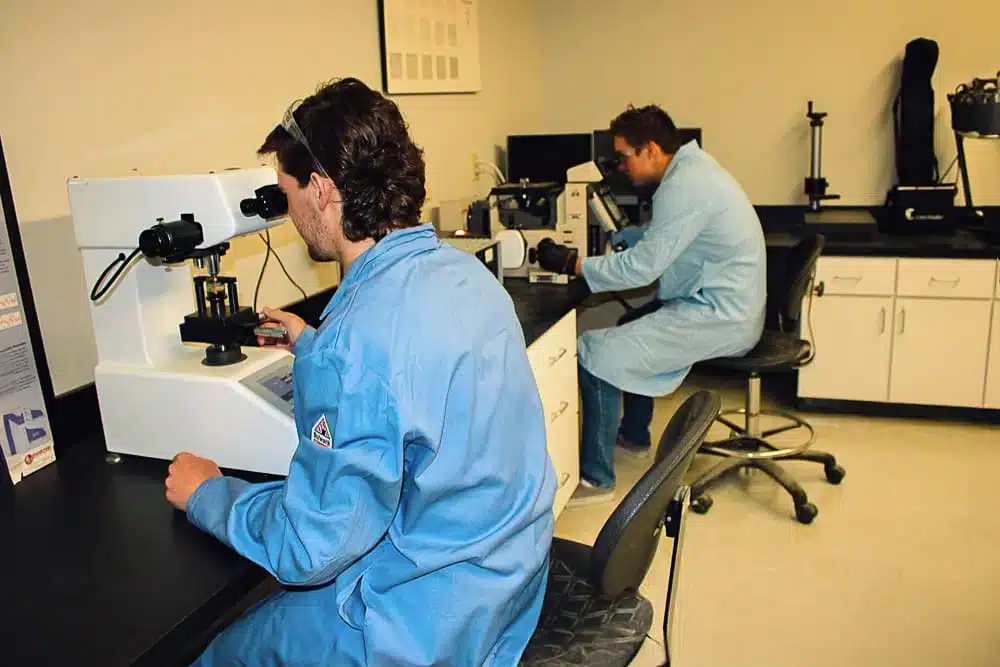
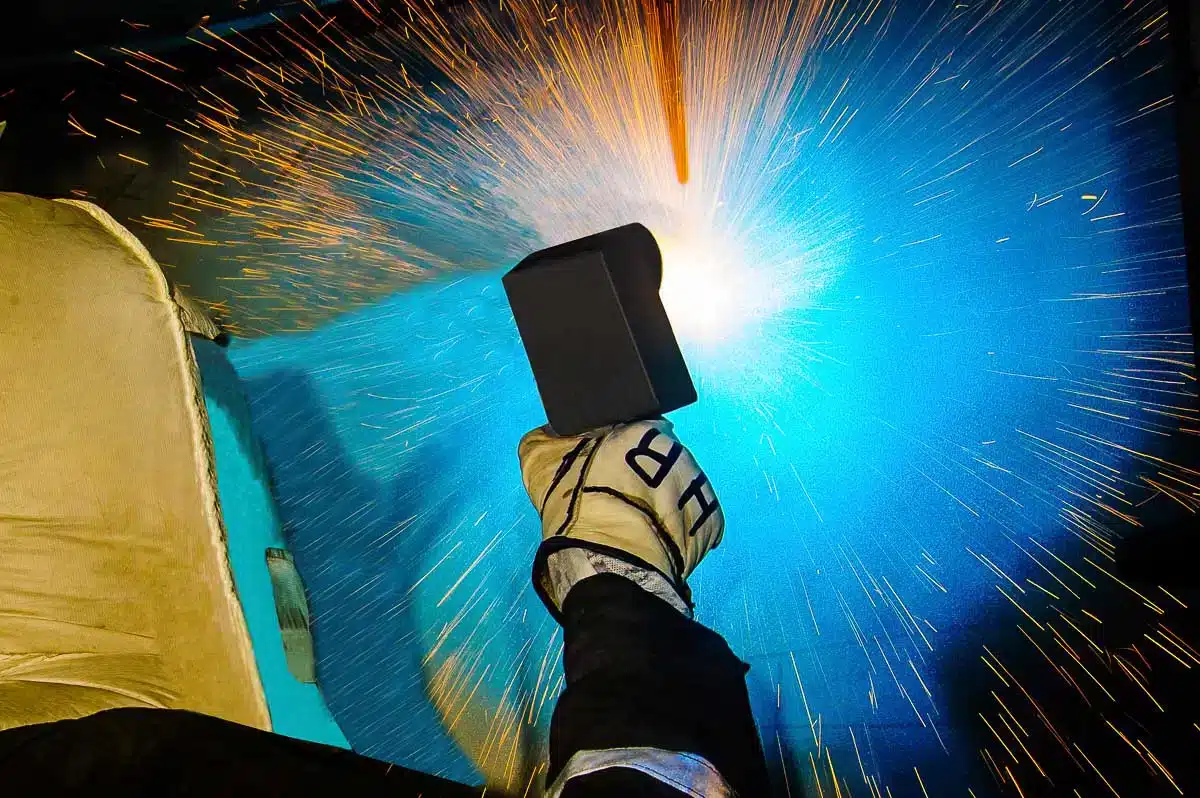
IGS MRP: Engineered Protection for Sulphuric Acid and Halide Environments
Where organic coatings typically fail under elevated temperatures and acid dew point conditions, MRP maintains integrity up to 180–190 °C (350–375 °F), depending on process chemistry. It provides a defect-free, mechanically strong barrier with exceptional resistance to low-pH, halide-containing environments such as chloride and bromide.
With a high Pitting Resistance Equivalent Number (PREN) and strong adhesion, the system delivers a robust barrier to H₂SO₄, HCl, H₂S, SO₂, and abrasive compounds — without the cost, complexity, and downtime of full weld-overlay cladding.
Where process temperatures exceed the MRP ceiling, IGS selects from its alloy cladding portfolio to ensure continuous protection across the full operating profile.
Fast, In-Situ Installation That Protects Turnarounds
IGS installs MRP in situ, minimising the critical path and enabling a return to service in less than 12 hours from application. Resistance to steam-out and mechanical damage, plus straightforward refurbishment, shortens outage schedules and reduces repeat access requirements.
Proven Performance and Global Delivery
IGS has protected mission-critical process equipment against corrosion and wear for more than 20 years. Over 400,000 m² of surface protection have been applied across more than 3,000 projects in over 30 countries on 6 continents. In SRU, TGTU and acid gas treatment service, MRP has delivered continuous protection for more than a decade without recoating. The system has been tested in high halide concentrations, under submersed salt deposits and in ammonia service. It has consistently demonstrated reliable performance in H₂S, H₂SO₄ and SO₂ environments, with specific test data available on request.
Typical SRU, TGTU, acid gas treatment and incinerator applications for MRP
- SRU WHB outlets, downstream transfer lines and coolers
- TGTU quench sections and absorber inlets
- Acid gas treating absorbers and regenerator overheads
- Incinerator quench, stack and ductwork
- Condensate-prone sumps and knock-out pots
- Instrumentation stubs and nozzles where localised condensation occurs

Where Sulphur Dew Point Corrosion Appears
Sulphuric acid forms when process gas containing SOx cools through the acid dew point — a frequent occurrence in SRU waste heat boilers, transfer lines, TGTU quenches and absorbers, acid gas regenerators, and incinerator quench zones. Temperature cycling during startups, shutdowns, and turndowns further accelerates this attack.
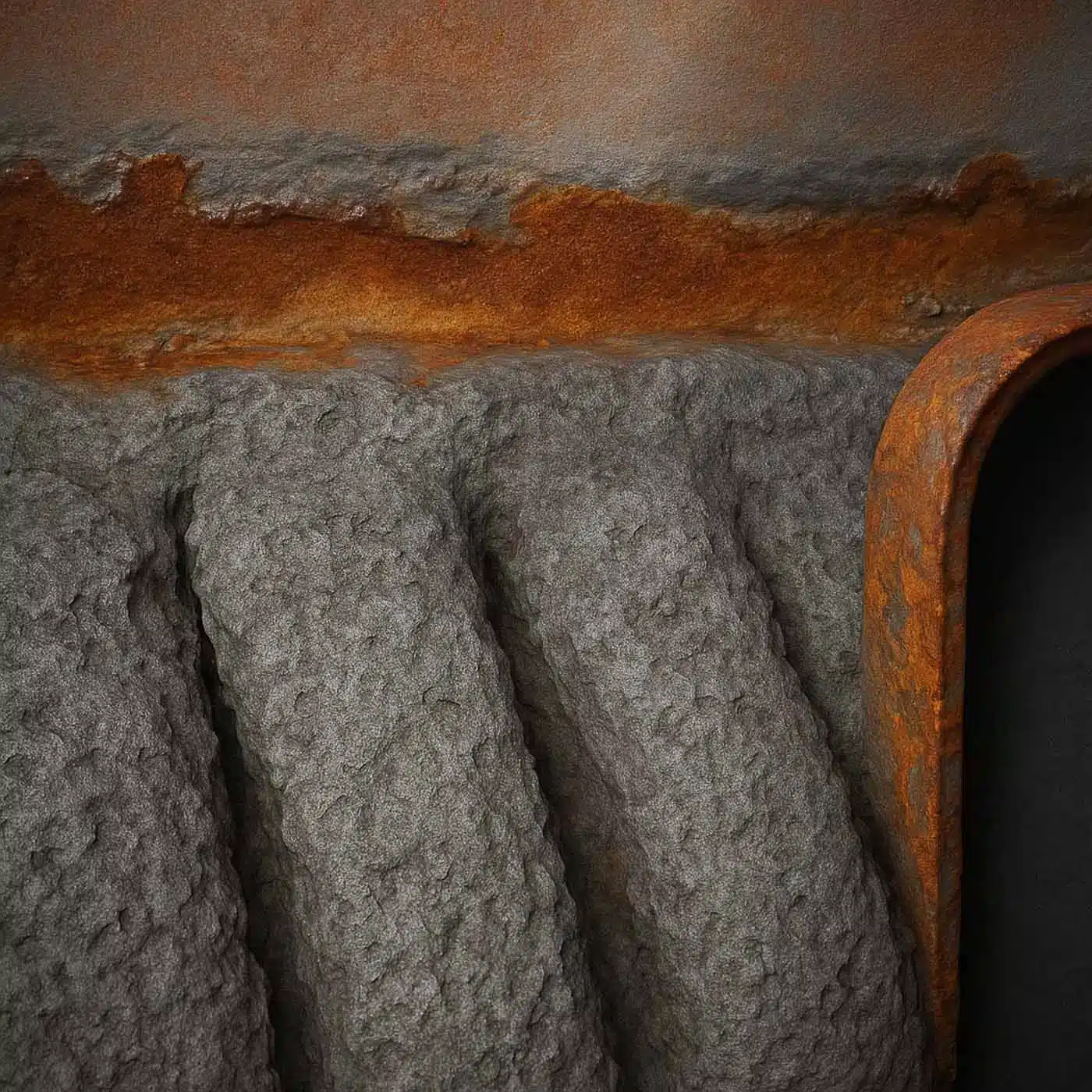
Operators often observe dew point corrosion at welds, crevices, and low-flow areas, where condensate concentrates and oxide films fail. The presence of halides such as chlorides or bromides lowers the dew point and intensifies pitting and under-deposit corrosion, leading to wall loss, leaks, and costly repairs.
IGS provides proven surface protection technologies for these environments, extending asset life and reducing unplanned downtime in SRUs, TGTUs, and acid gas treatment units.
How Acid Gas Treatment and Sulphur Recovery Units Work
Acid gas treatment units remove CO₂ and H₂S from gas streams using amine solvents. The acid gas is then routed to the Sulphur Recovery Unit (SRU), where H₂S is converted to elemental sulphur through thermal and catalytic stages. These systems operate under fluctuating temperatures, exposing metal surfaces to alternating sulphidation and acid condensation conditions.
The Tail Gas Treatment Unit (TGTU) and incinerators further reduce residual SOx and H₂S to meet emissions limits — but also face dew point cycling and halide-rich condensates, which challenge even corrosion-resistant alloys.
Selecting the Right Protection for Your Sulphur Management Train
Every SRU, TGTU and acid gas treatment unit presents unique risks based on acid gas composition, halide loading, temperature cycles and water management. IGS engineers review operating data and inspection findings to define where MRP is optimal and where alloy cladding is required for higher-temperature sections. The outcome is a consistent barrier that mitigates corrosion across the sulphur management system.
Quality, Safety and Reliability
IGS delivers turnkey installations using fully trained and certified in-house teams operating under robust HSE and quality systems. Our safety-first culture is consistently recognised by customers as a differentiator, contributing to reliable execution and long-term performance.
Let’s Talk About Your Corrosion Challenge
If you are experiencing early wall loss, leaks or repeat repair scope caused by sulphuric acid dew point condensation in SRU, TGTU, acid gas treatment or incineration assets, request an IGS assessment. We can review operating data, advise on dew point corrosion control and halide risks, and specify an MRP or alloy-cladding solution that restores reliability while minimising turnaround impact.
Free consultation with an IGS Subject Matter Expert
IGS is here to provide information, answer questions and create an effective solution for your needs.